How it started
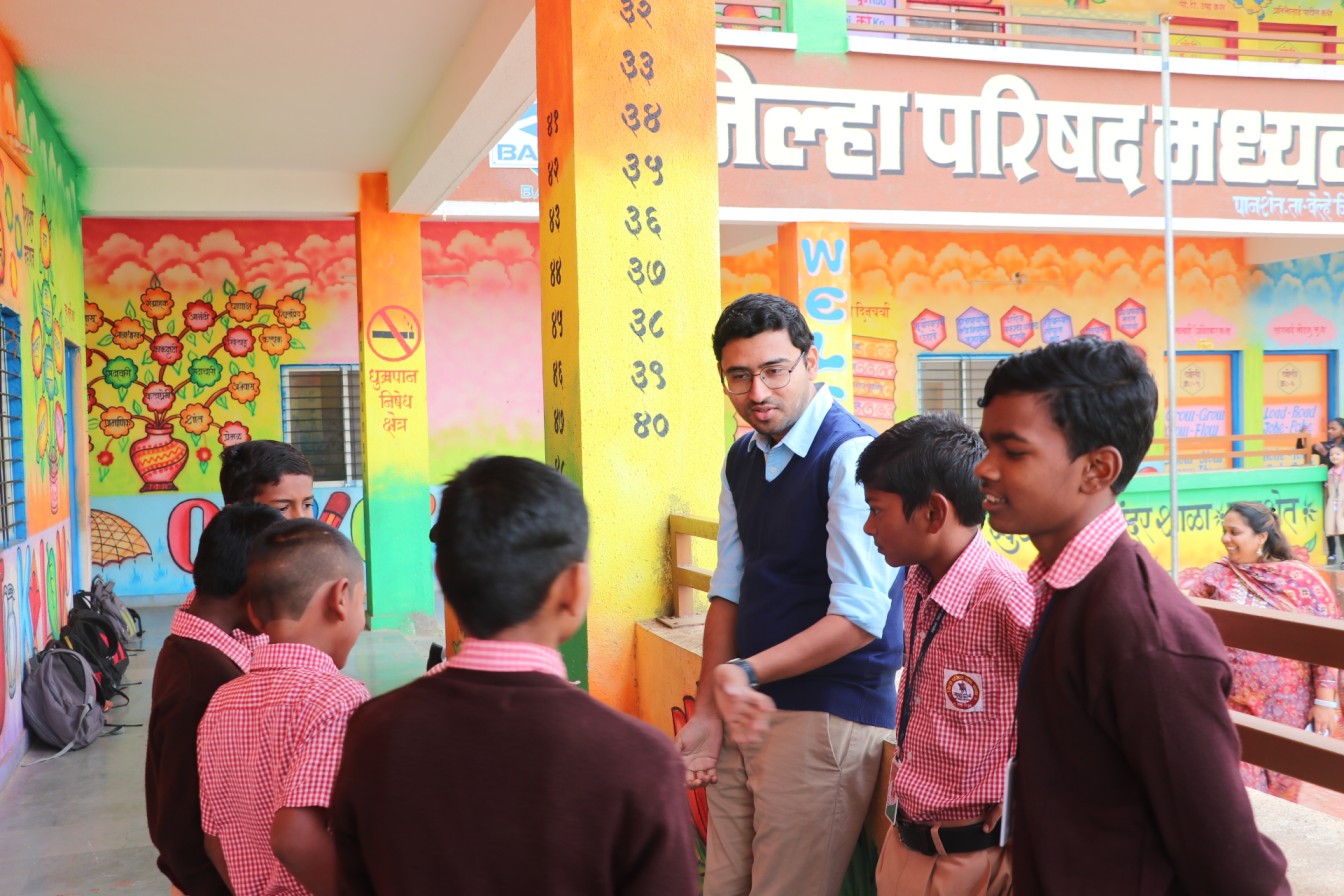
Madhukar Banuri grew up in a close-knit, rural farming community in southern India and attended a government-aided school in the foundational years of his life. When his father moved the family to urban Hyderabad for better opportunities, Madhukar transferred to a private school, graduated at the top of his class, and went on to study engineering. Experiencing firsthand how a change in access could transform a child’s life path made him acutely aware of the inequities built into India’s education system.
Madhukar felt a duty to give back and was eager to try something new. When he saw a newspaper advertisement asking, “Are you ready for a challenge?”1 He left his comfortable job and joined Teach for India’s first cohort of fellows. He began teaching at a low-resource government school in Pune, just as the country introduced the Right to Education Act, which entitled all children to a free and quality education.
In the classroom, Madhukar saw a glaring gap between the intent of education policy and its implementation. He empathized with public school teachers who struggled to improve students’ learning outcomes, and realized that the only way to achieve universal education was through the government. Yet district education officers and teacher training institutes were so undersupported that they could not deliver on the policy’s promise.
“You can create beautiful policies,” Madhukar explained. “But the real work happens on the ground, at a district and block level.”
His two-year fellowship became his career. Drawing on his two years experience as a teacher, Madhukar along with Siddesh Sarma, another TFI Alum, founded Leadership for Equity (LFE), a nonprofit that partners with state and district governments in India to support public school teachers with future-ready learning resources, sustained academic support, and strengthened school systems
He realised that universal, quality education could only be delivered if the public system itself was equipped to do it. India has nearly 800 districts, each with an average of 1,500 public schools and more than 6,000 teachers, and no external programme could reach that scale.2 This belief inspired LFE to work from inside the education system and build capacity at every level. Madhukar said:
“The real problem in India is not to prove whether kids can learn. It is to universalize quality education. Once you put that lens on, you realize the system has to deliver. There is no other way than to actually work with the public schools in India.”
1-2 Ei_Study, “Transforming Government Schools & Building Education Systems | Madhukar Banuri on Ei Dialogues,” September 2, 2025.
Madhukar grounded himself in the “lived experience” of teachers at government schools before he founded Leadership for Equity.
What systemic challenge is your organization seeking to address?
Have you experienced this challenge yourself? If not, how will you ground yourself in the “lived experience”?
How would a government partnership help you address this challenge at scale?
How LFE works with multiple levels of the government
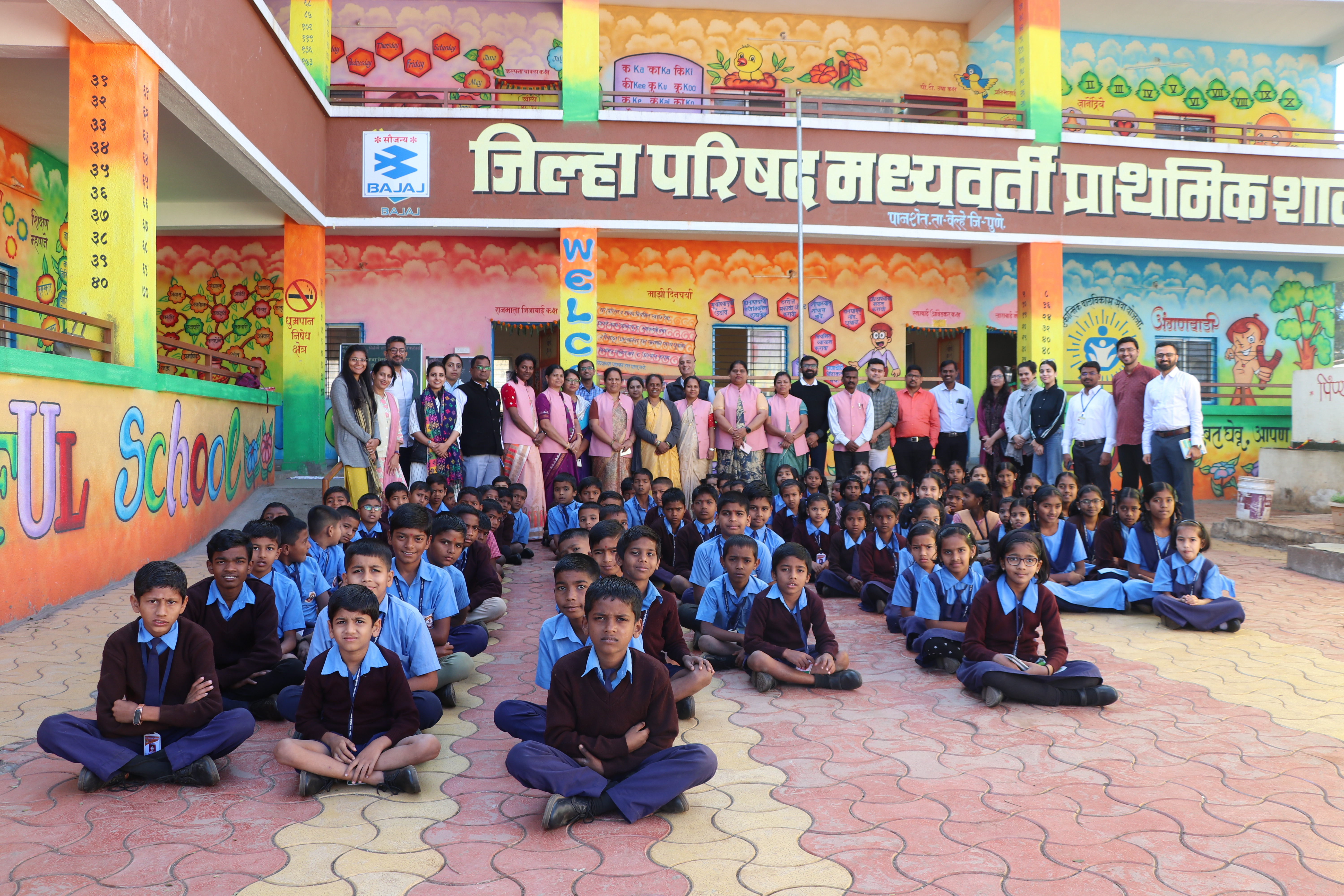
Acting on this belief, LFE designed a model that operates within government systems and supports the people responsible for delivering public education.
“Our core work is building state capacity to deliver,” Madhukar said. “If learning improves, it should be because their own people are driving it, not because LFE is.”
LFE began in one district where it already had relationships and used early results to build trust, laying the groundwork for expansion into other regions.
The nonprofit begins by establishing partnership agreements through memorandums of understanding (“MOUs”)3 with reform-focused state and district governments that invite collaboration. Then it deploys staff to work inside public schools and education councils to implement interventions that improve learning outcomes.
LFE’s strategy is to build the capacity of all levels of the public education system
To ensure these reforms are sustained in public systems over time, LFE embeds its work through government budgets, policies, and technology platforms. It also commissions external evaluations for accountability, replicability, and proof of impact.
At the school level… | LFE equips teachers with relevant and engaging lesson plans and research-backed teaching practices (such as feedback, checks for understanding, and experiential learning) that strengthen classroom teaching |
At the district and block level… | LFE’s staff are placed in district education offices to support day-to-day program implementation, including teacher training and classroom observations |
At the state level… | LFE signs MOUs with state governments and collaborates with state education councils (nodal bodies, SCERTS, and Samagra Shiksha) to co-create policies, school curricula, and teacher training plans |
3 An MOU (“memorandum of understanding”) is a formal agreement that outlines how two organizations will collaborate on shared goals. It is not a legally binding contract.
Following the need and building credibility before scale
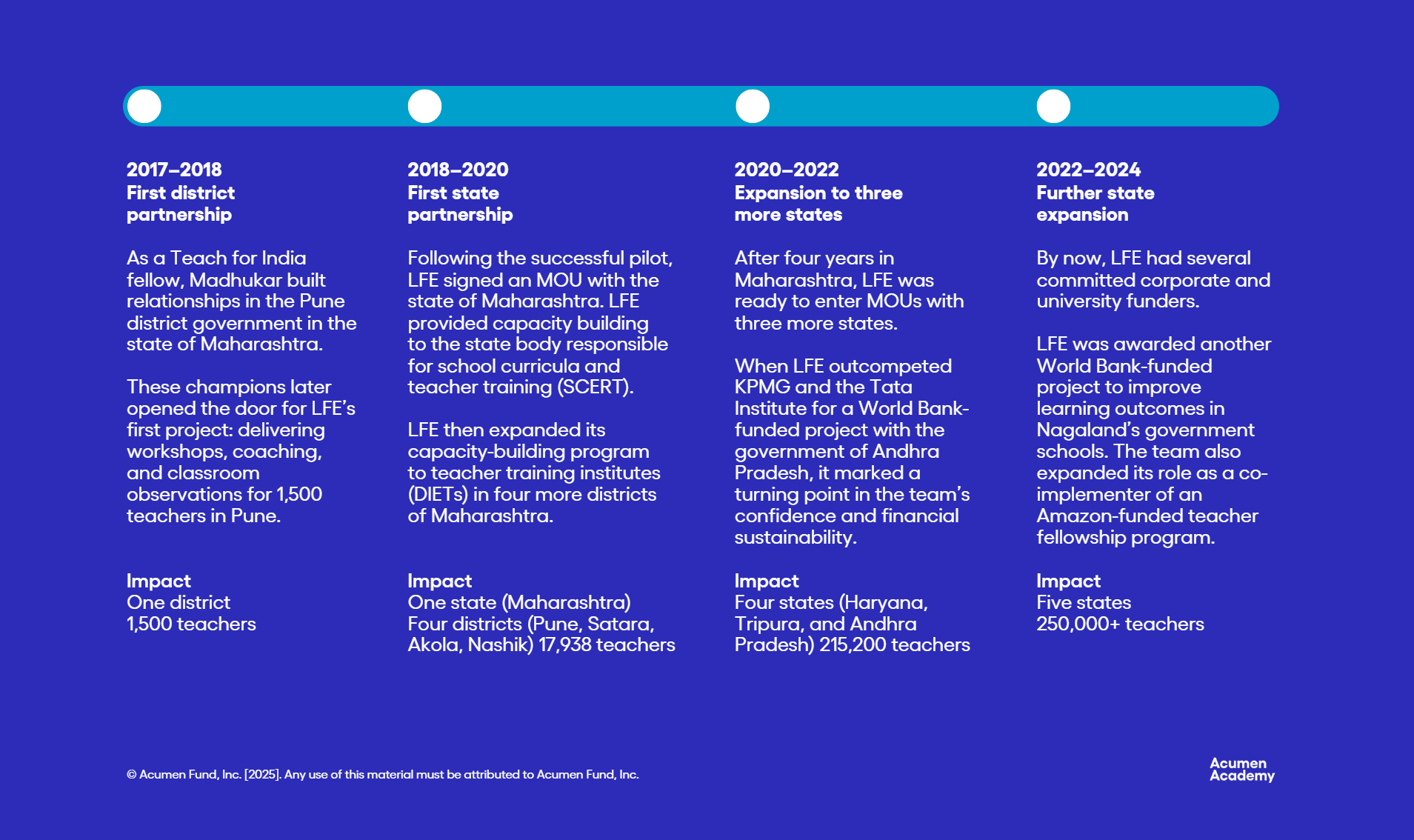
From the beginning, Madhukar and his leadership team were committed to slow and deliberate growth. Instead of chasing scale, the LFE team focused on building trust and establishing credibility before expanding to new geographies.
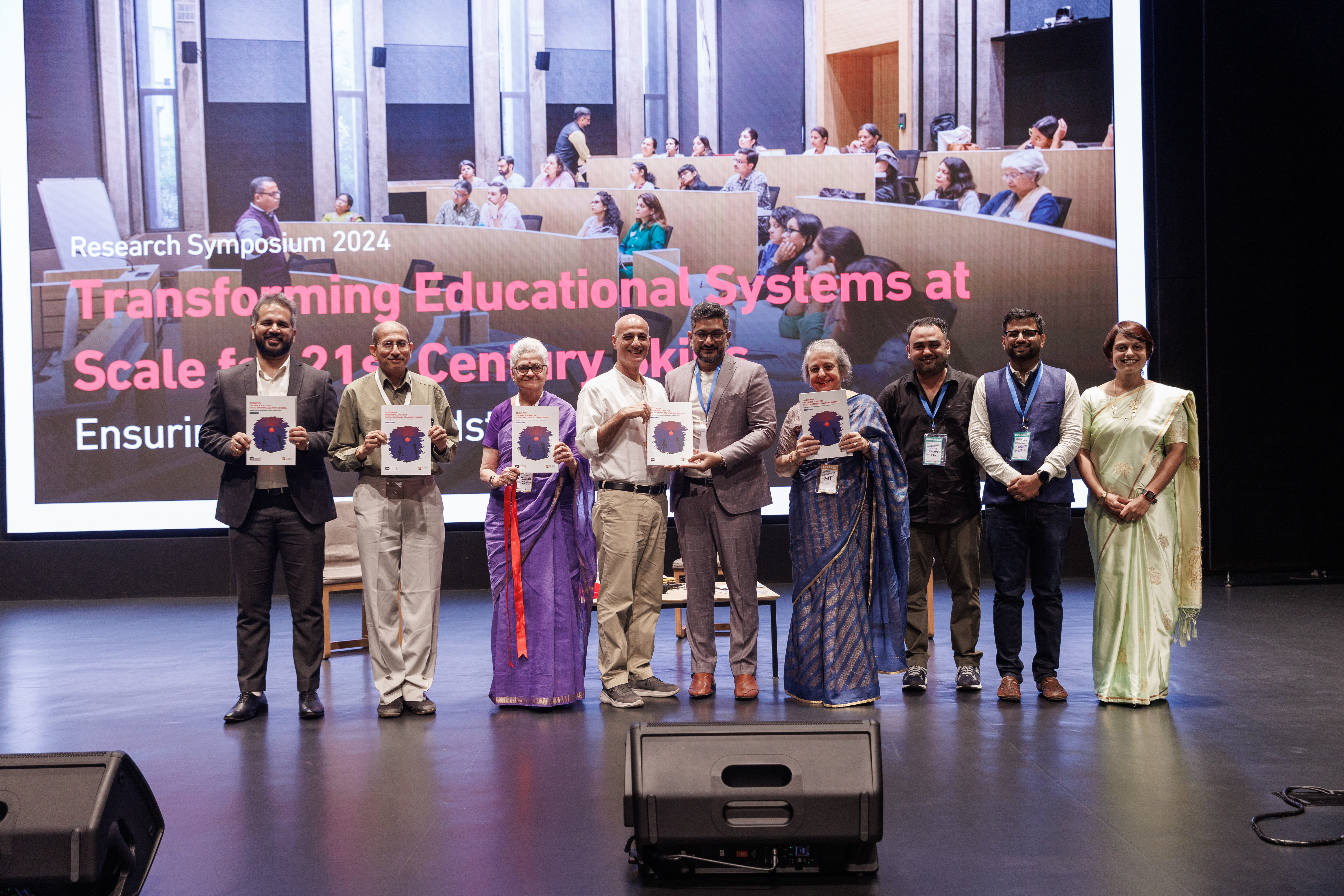
The nonprofit’s journey began in Pune district, where Madhukar had befriended officials during his Teach for India fellowship. These officials, who championed LFE’s approach, invited them to deliver workshops, coaching, and classroom observations to 1,500 public school teachers.
The success of the district pilot led to a state-level partnership with Maharashtra and work in four more districts. When the state of Andhra Pradesh sought a partner for a World Bank-funded project, LFE’s results spoke for themselves. The nonprofit successfully outcompeted large, established organizations for a contract to deliver online training and lesson plans for the state’s public school teachers.4
Through this strategy of “depth before breadth,” LFE has grown into a team of 190 and worked in five states and 45 districts across India since 2017.
Knowing when partners are the right fit
State governments aren’t LFE’s primary funders. Around 25% of its budget comes from government service contracts, 50% from corporates and Corporate Social Responsibility (CSR), and 25% from institutional partners and philanthropic organizations.
For Madhukar and the team, the government is much more than a funding source. It’s the only partner capable of achieving universal, high-quality education in India.
As LFE enters a new phase of growth in 2026, Madhukar is mindful that every new state partnership brings millions of stakeholders and competing priorities. Rather than “push” for unsustainable agreements with governments that aren’t ready for reform, LFE waits for an invitation (or “pull”) from partners that show genuine interest and alignment.
According to Madhukar, the strongest partnerships share three qualities:
Clear alignment between LFE’s mission and the state’s agenda
Vocal champions inside government
Meaningful co-investment from public institutions
Entrepreneurs often rush into partnerships or overpromise on their ability to deliver. In contrast, LFE focuses on establishing credibility in one geography before expanding to another.
Have you ever expanded too quickly or failed to deliver what you promised?
How might you apply LFE’s philosophies of “depth before breadth” or “pull vs. push” in the future?
Building a model for change
After years of partnering with state and district governments, Madhukar and his team have identified patterns that make collaborations successful and sustainable. They learned to co-create programs with government partners and design for adoption and sustainability. Together, these lessons are a practical model for systems-level change.
Find the sweet spot for sustainable partnerships
Align with the government’s agenda: LFE doesn’t push its own solution. The team begins by understanding each government’s priorities and strengths, then identifies areas where LFE can add value.
Ground interventions in real needs: LFE surveys teachers and schools to verify whether the state’s priorities align with what children and educators really need.
Co-create programs to build ownership: LFE brings proven models and evidence, but co-designs programs with government staff to build ownership and shared accountability.
The most sustainable programs sit at the intersection of the government’s agenda, classroom realities, and collective ownership and accountability.
Design for adoption
LFE’s goal is to strengthen the state’s capacity to deliver education reforms. Its programs work through government systems, not around them. Three factors help government adoption and new practices stick:
People: Visible champions inside government who are committed to carrying the project forward.
Process: LFE creates clear, simple documentation (e.g., step-by-step teacher training guides) to help government staff implement programs independently.
Provisioning: Long-term sustainability requires securing financial resources and commitments within government so that implementation continues after LFE steps back.
Navigating the challenges of driving change from within
In their mission to transform the quality of education in government schools, Madhukar and his team have encountered challenges that have tested their creativity and resilience.
Leadership changes
Sustaining momentum can be difficult when government leaders (and priorities) shift every few years with election cycles. To maintain continuity, LFE focuses on co-creating policies and processes that remain embedded in government systems, regardless of who is in charge.
The team also builds relationships with longer-term stakeholders, including middle managers, teacher unions, and local communities. “Whoever comes on top, even if they don’t align with us, they need to listen to the people on the bottom,” Madhukar explained.
Extended timelines
Working within government systems often means slower timelines. Delays in execution are common, and government contracts can take months to be approved or paid.
To manage these delays, LFE builds flexibility into its project designs and budgets. Funding from philanthropic partners provides the necessary cash flow while awaiting government payment.
Hiring for “hustle” and technical expertise
Recruiting the right talent is another ongoing challenge. Two types of candidates tend to apply to LFE: those passionate about education and curriculum design, and those who thrive on the “hustle” of managing relationships inside government. Finding people with both the technical credibility and persistence to navigate bureaucracy is difficult, but essential for the nonprofit’s success.
Looking ahead
Madhukar and his team has built impactful government partnerships for LFE by establishing trust and credibility, creating shared ownership and accountability, and designing for sustainability.
LFE has provided more than 250,000 teachers with improved resources, lesson plans, and training programs. Its staff have spent more than 12,000 hours working alongside government officials to co-create educational programs and policies – reflecting the depth and extent of their collaboration.
Madhukar envisions an India where every child, regardless of background, has the same foundational skills and opportunities for growth.
“My hope is that in the next 20-25 years, we will achieve that as a country.”6 “You have to operate with delayed gratification,” he added. “You need to wait years to really see the impact you’re making.”
Are you ready to partner with the government?
Madhukar recommends that social entrepreneurs answer these questions before pursuing their own government partnerships:
Why do you want to work with the government? Is your reason clear and compelling?
What exactly are you offering to help the government meet its priorities?
What are you willing to let go for the sake of scale and partnership?
How well do you understand the system and why it operates the way it does?
6 Ei_Study, “Transforming Government Schools & Building Education Systems | Madhukar Banuri on Ei Dialogues,” September 2, 2025.
Key takeaways
Know your "why." Lasting change is only possible when you are clear about the problem you exist to solve, the role the government should play, and the long-term impact you want to achieve.
Depth before breadth. Build credibility and proof with deep work in fewer places before expanding to more.
Design for adoption. Co-create programmes and policies through existing government systems so that ownership and accountability are shared from the start.