How it started
When Liberia's Ebola outbreak forced all public schools to close for an entire academic year in 2014-2015, Acumen Fellow Brenda Brewer Moore took action. She began distributing "home study kits" aligned with the national curriculum to keep children in her community learning.
What began as a small community effort quickly grew as other educators were inspired to replicate the idea in their own communities. In 10 months, more than 7,000 children across 70 communities received the free educational resources.
Although Brenda’s grassroots initiative achieved impressive reach, it revealed a deeper challenge within the education system. “There was a problem that resonated across every community,” said Brenda. “Many children struggled to read. When Ebola ended, we couldn’t go back to our daily lives and ignore the problems we saw.”
In 2014, Brenda founded Kids’ Educational Engagement Project (KEEP), a nonprofit dedicated to improving childhood literacy and building a culture of reading in Liberia. Initially, KEEP focused on creating small reading rooms and mini-libraries, mostly in public schools. Since launching, the nonprofit has opened 46 reading rooms across 14 of Liberia’s 15 counties.
Over time, Brenda realized that Liberia’s literacy challenges were rooted in broader weaknesses in the national education system. Building libraries alone couldn’t solve a systemic problem. To create lasting change, KEEP needed to work within public systems, shaping how children learn.
Partnering with the Government of Liberia offered a way to expand KEEP’s model and influence the policies and practices driving education nationwide.
How the partnership works
Liberia’s education system faces complex, interconnected challenges. Years of conflict and crisis disrupted schooling and weakened infrastructure. Today, only about 55% of Liberian youth (ages 15-24) are literate. 1
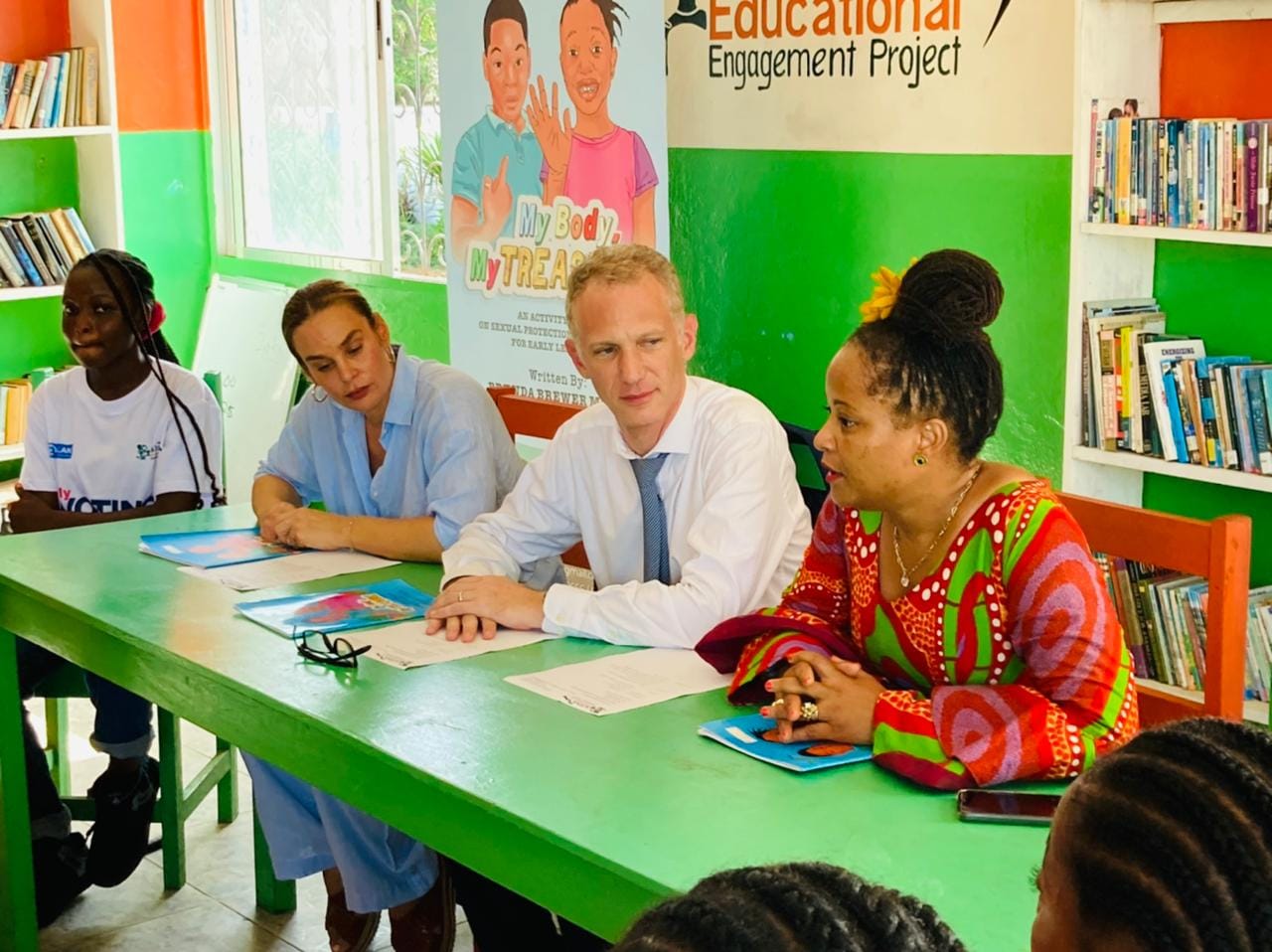
To address these gaps, Kids’ Educational Engagement Project (KEEP) builds small libraries, or “reading rooms,” in public schools; trains teachers in effective classroom practices; and delivers digital literacy and college readiness programs. It also produces educational content for radio, television, and social media to reach children who are out of school or living in remote areas.
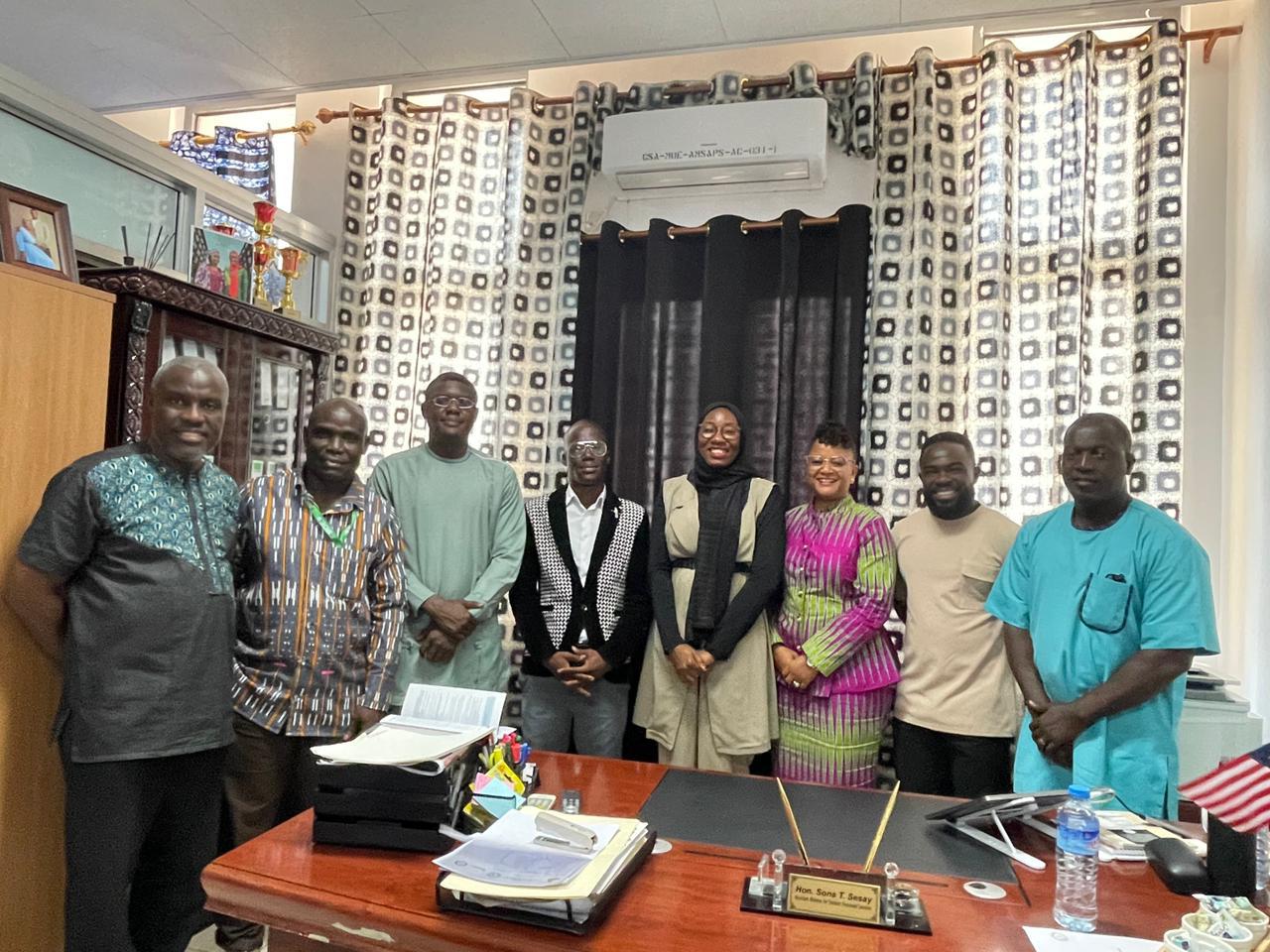
The Ministry of Education authorizes KEEP to operate in public schools and shares its educational content through official channels and curricula. The government does not fund KEEP directly, as most of the nonprofit’s budget comes from philanthropic and development partners. Even so, the collaboration enables KEEP to reach classrooms nationwide and inform education policy at the system level.
The partnership benefits both partners:
For KEEP: it brings access, legitimacy, and a platform to influence national policies with evidence from the field.
For the government: KEEP brings community insights and proven solutions into the national education system, resulting in policies grounded in local realities.
Partner | Role | Function | Benefit |
|---|---|---|---|
KEEP | Program design and delivery | Builds libraries Trains teachers Develops learning content | Legitimacy Access National reach |
Ministry of Education | Policy and system access | Grants school access Integrates KEEP’s content Uses data for policy planning | Wider reach Community insight Stronger policies |
1 UNESCO, “GAL Country Profiles: Liberia,” October 2022.
How KEEP established the partnership
Carving out a space (2014-2019)
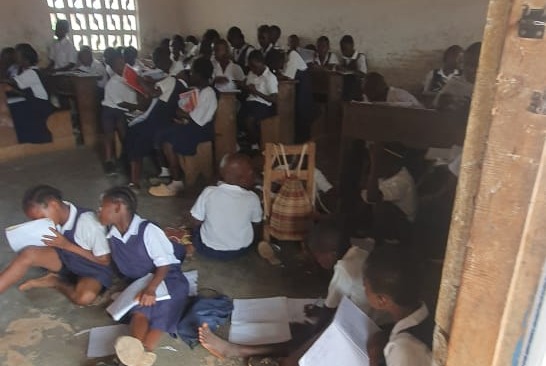
When schools closed during the Ebola outbreak, Liberia had no infrastructure for remote learning and no emergency plans to keep students engaged. Brenda’s grassroots efforts showed what was possible, offering insight into what communities needed most. She felt a responsibility to share those lessons with policymakers – if they were willing to listen.
But Brenda had no formal entry point into the policymaking process and no donor funding to buy a seat. “If you’re not USAID or a big INGO walking in with a check, you’re not invited to the table,” she said.
Still, she found ways to be heard. Brenda began showing up at Ministry of Education planning meetings where officials and international partners discussed how to respond to the crisis. She shared updates from the field, bringing stories, photos, and data that revealed what was really happening in communities.
At first, officials met her presence with skepticism. Many were more inclined to listen to foreign consultants than to local leaders. Without a degree in education or experience at an international NGO, Brenda often felt unheard.
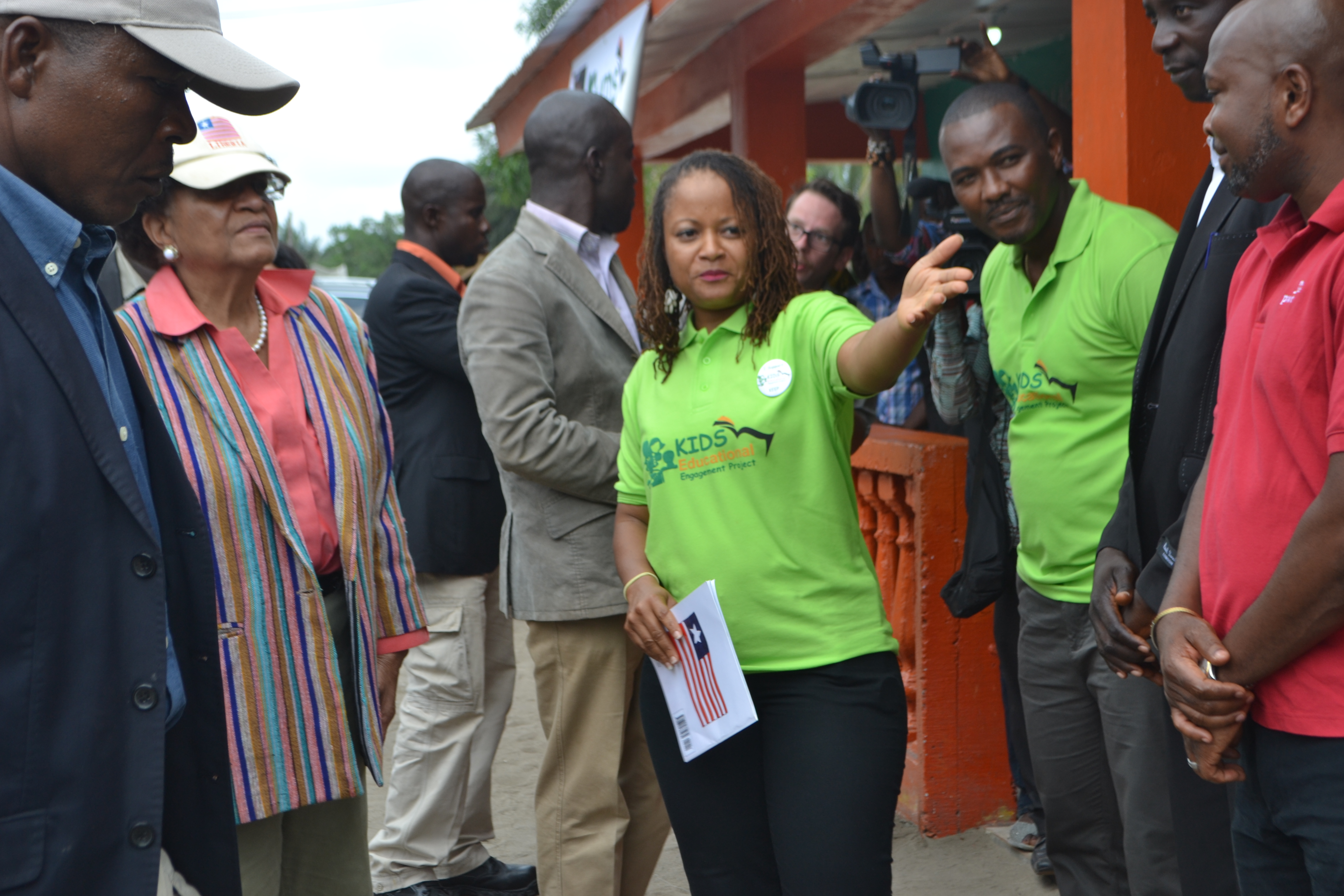
Then a colleague offered advice: “You’ll catch more flies with honey than vinegar”. Brenda shifted her approach from frustration to strategy. “I invited the president to cut the ribbon at our library opening,” she said. “When the president visited our reading room, she saw that I was serious.”
The visit transformed how people saw Brenda and her work. “After that, whenever I entered certain spaces, people would say, ‘That’s the girl whose library the president opened. The one who’s doing meaningful things.’” This recognition opened doors for KEEP and earned Brenda a reputation as a credible voice in education reform.
Gaining a seat at the table (2020-2023)
When Liberia faced another national crisis due to the COVID-19 pandemic, the government knew exactly which organization to partner with to ensure children kept learning.
KEEP produced and distributed educational content for children through television, radio, and social media. The Ministry of Education repurposed KEEP’s materials for its national radio broadcasts, a vital channel in a country where many households lack internet access.
“Then the government asked, ‘Can you be a part of developing the national safety protocols for reopening schools?’” Brenda said. “It felt like real validation because our expertise was finally being called upon to influence policy.”
That moment marked a turning point. Brenda was invited to represent civil society in the Liberian Education Group, the country’s highest decision-making body for education. The position gave KEEP greater visibility and enabled Brenda to advocate for gender equity, disability inclusion, and teacher training at the national level.
By consistently sharing evidence from the field, Brenda and her team became trusted advisors to policymakers. “Being in those spaces allowed us to see what kinds of policies were being discussed, what had gaps, and what was being ignored,” she said. “We could provide the voice from the ground.”
Shaping national policy (2024-present)
Today, KEEP’s role has evolved from contributor to co-creator of national education policies. Brenda and her team work with the Ministry of Education to develop key frameworks, such as the National Reading Strategy. The strategy aims to improve literacy rates, standardize teaching approaches, and strengthen school leadership across Liberia.
KEEP’s experience in communities continues to inform national reforms, including policies on gender-based violence and youth-related issues. “We’ve been able to influence the government to include more books written by Liberian authors in the national curriculum,” Brenda said. “We’ve also produced two movies that have been used around the country to raise awareness of child abuse.”
Brenda’s journey to national policy influence
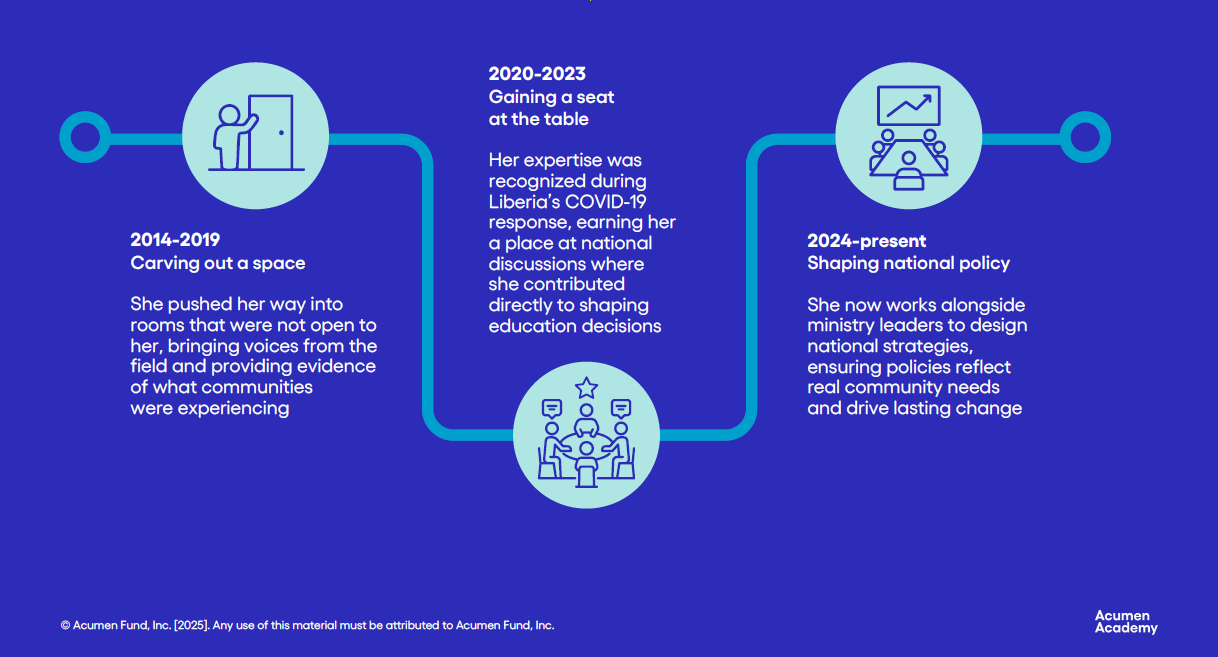
Brenda didn’t start with influence or funding; she earned credibility by building a solution, showing results, sharing evidence, and inviting government leaders in.
How do you build visibility and legitimacy with decision makers who may not yet see you as a partner?
What opportunities could you create to show rather than tell government stakeholders about your impact?
Building trust with the government
Working with the government to influence education policy and expand its programs in public schools, Brenda and her team needed to learn how to build trust, then rebuild it in every election cycle.
“For six years, you develop relationships with all the key decision makers at the Ministry of Education,” Brenda explained. “They know your work, your worth, and the value you’re able to provide. Then a new group comes in and has no idea who you are. You have to rebuild the entire relationship.”
Brenda learned to build trust through empathy, transparency, visibility, and results. These are four strategies that have worked for her team:
Understand people and their interests
“You’re dealing with people, not systems,” Brenda said. “Every single one of them has an interest: one might care about teacher training, another about disability inclusion. I find out what they care about and connect it to what we do.”
This “interest mapping” helps her build goodwill and align goals: “If I can help them meet their goal, they’ll help me meet mine.”
Practice radical transparency
Openness has been central to KEEP’s credibility. “We share our financials, our reports, everything,” Brenda said. “That’s what makes them trust us.”
Every year, KEEP publishes an annual report detailing its activities and expenditures, which Brenda personally shares with ministry officials. This transparency helps KEEP stand out from other local NGOs and positions the nonprofit as a serious partner.
Share information consistently
Brenda became a reliable source of what was happening in the field. Regular updates, both written and in-person, help KEEP stay top of mind.
“We brought what we were seeing in communities to meetings with the government – the real issues from the ground,” she said. “While other people were discussing big plans, I was the voice saying, ‘Here’s what’s happening in the schools, here’s what’s missing.’ That’s what helped us get noticed. We became their eyes on the ground.”
Speak up and stay visible
Attending meetings is important, but participating matters more. “When you attend those meetings, don’t just sit there quietly,” Brenda said. “Ask questions, give feedback. Sometimes, just pointing out one critical issue that others missed makes people recognize us and remember KEEP. That’s how our name started to stick in those spaces.”
KEEP learned that real partnerships depend on people, not just policies, and rebuilt trust after every election cycle.
How might political turnover or shifting priorities affect your work with government partners?
What practical steps could you take (in communication, transparency, or visibility) to sustain trust through those transitions?
Advice for social entrepreneurs
Since launching as a grassroots initiative in 2014, KEEP has opened 46 reading rooms, trained 450+ students in digital literacy, and conducted 700+ guided reading sessions in its reading rooms.
It has evolved into a nationally recognized nonprofit that promotes literacy and advocates for the prevention of child abuse and gender-based violence. KEEP has published eight children’s books, five of which are on Liberia’s official supplementary reading list, and has produced two educational films used nationwide to raise awareness about the sexual abuse of children.
These results were only possible because of KEEP’s partnership with the government. Although the collaboration is not financial, it brings meaningful benefits to both sides.
For social entrepreneurs seeking to build government partnerships of their own, Brenda offers this advice:
Stay focused on the mission, even when governments change. New administrations may deprioritise existing projects, but the underlying challenges remain. Keep supporting urgent local needs, regardless of whether they are the current political priority.
Pick a niche and stick to it: Don’t try to do everything. Many local NGOs spread themselves thin by chasing donor agendas. Focus on one or two core issues so that people know exactly what you offer.
Key takeaways
Build trust with people, not just institutions. Relationships, interests, and patience sustain partnerships through political change.
Show up and stay visible. Attend meetings, share updates, and speak up so you stay top of mind.
Practice radical transparency. Share your financial reports and results openly to earn respect and show reliability.
Elevate voices from the community. Bring insights from the ground into national policies and platforms to create more relevant, impactful policies.