
How it started
For most of the population in Tanzania, agriculture is the primary source of food and livelihoods, with 65% of the population relying on the sector for their income in 2019.1 But due to inefficiencies in farming practices, storage, and transportation, half of the produce that farmers harvest is not sold, resulting in food waste and income insecurity for smallholder farmers across the country.
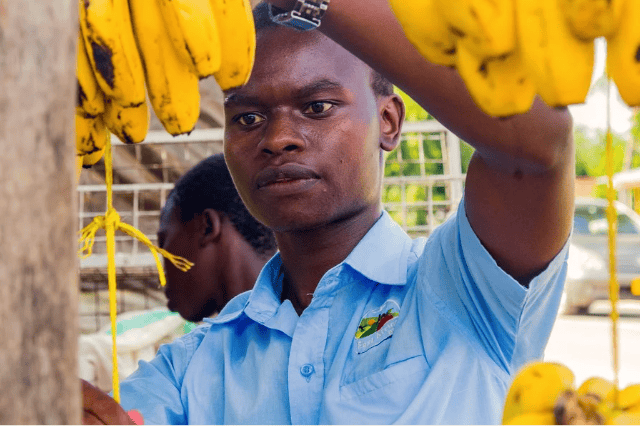
Elia Timotheo set out to solve this problem. His vision was to reduce food losses and help farmers thrive – but instead of jumping into a solution right away, he started by researching and understanding the root causes of post-harvest losses. He spent time working as a broker (a middleman who buys from farmers and sells to produce buyers) and discovered some harsh realities. Elia noted:
“Farmers don’t get paid enough. Brokers run away with the money. I personally saw how brokers treat farmers…how farmers were humiliated by brokers simply because brokers had the means to take the produce to the market.”
Thinking he could cut out these middlemen, Elias interviewed farmers and produce buyers, and became better informed about where exactly things were going wrong. He learned that farmers were unable to sell their produce because the agriculture value chain was broken: inefficient farming techniques were leading to losses even before produce left the farm; brokers were then exploiting smallholder farmers, paying them low prices and taking large cuts for themselves; and inadequate transportation and storage facilities were resulting in losses during transit, where unsold produce went to waste before reaching markets.
Having become deeply immersed in the complexity of this problem, Elia was able to begin designing a solution, identifying an urgent need to introduce value addition to the produce and to build a better distribution model.
“There was no value addition to any of this value chain, to any of the processes, and so my first ‘aha moment’ was to make sure that I could turn that into a considerable value addition system.”
He founded East Africa Foods Co., a social enterprise designed to reimagine the broken system by providing the resources and services to better farm, transport, store, process, distribute, and add value to produce — ultimately reducing post-harvest losses.
1 Max Roser (2023) - “Employment in Agriculture” Published online at OurWorldInData.org. Retrieved from: 'https://ourworldindata.org/employment-in-agriculture' [Online Resource]
What was the core problem that inspired you to create your company? What forms of customer research have you already undertaken and whose voices might remain unheard? How might you use additional methods or expand your research to understand every part of the value chain that you hope to impact?
The problem
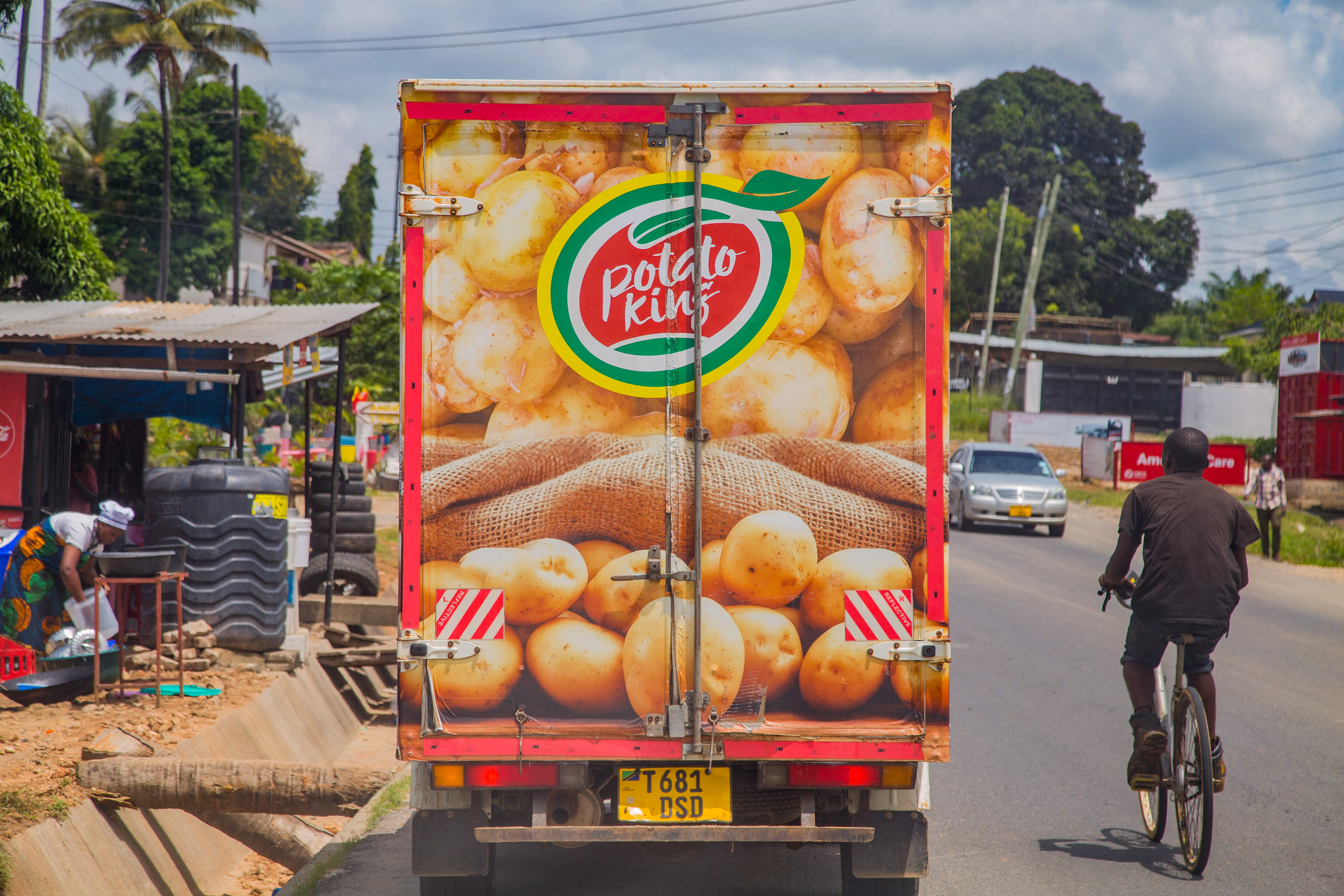
Tanzania’s agriculture sector, relied on by 65% of the population, suffers from massive food waste and income loss.
Half of farmers’ produce never reaches the market due to inefficient farming, storage, and transport systems.
Middlemen often exploit smallholder farmers, taking large cuts and paying them unfair prices.
What they found
Elia Timotheo, founder of East Africa Foods, identified three main issues: inefficient farming practices, exploitative brokers, and poor transportation and storage facilities.
→ By understanding these pain points, he developed a sustainable business model that helps farmers by improving farming techniques, ensuring fair pricing, and introducing temperature-controlled transportation.
Why it matters
East Africa Foods’ model reduces food waste, increases farmer income, and provides a consistent supply of quality produce to buyers.
→ The company now works with over 10,000 farmers and serves 7,000+ small retailers, with more than 4,000 daily deliveries—transforming Tanzania’s agriculture value chain.
A business model designed to close inefficiencies
Through research and deep listening to farmers and buyers, Elia discovered multiple inefficiencies in the value chain causing produce losses and waste.
When developing his business plan and while establishing the business, Elia set about creating a business model that would address three specific inefficiencies across the value chain:
Ineffective farming techniques
The exploitation of smallholder farmers by brokers
Inadequacies in transportation and storage
Once he prioritized these inefficiencies he worked to address them across five channels: farming, transportation, processing, distribution, and customer relationships; and matched key resources and activities to address the gaps and lead to a sustainable business with opportunity to scale impact. The table on the next page illustrates this business model.
East Africa Foods’ Business model to address complex value chain inefficiencies
Prioritized problems to solve:
Inefficient farming techniques
Brokers exploiting smallholder farmers
Inadequate transportation and storage facilities
Channels | Farming | Transporting | Processing | Distributing | Customers |
|---|---|---|---|---|---|
Key Resources | Support and training | Temperature controlled trucks | Equipment for processing facilities | Logistics and distribution of produce | Stakeholder and relationship management |
Key Activities from East Africa Foods to address inefficiencies | Help farmers with crop planning and farming techniques | Buy farmers’ produce and transport it in East Africa Foods’ own fleet of trucks | Aggregate the produce of many farmers, process it in their facilities, and add value to the produce by cleaning, ripening, and/or freezing it | Distribute the produce directly to buyers and ensure they receive quality produce by investing in temperature controlled trucks | Build strong relationships with both farmers and buyers; and thoroughly understand buyers’ needs through customer segmentation (formal businesses vs. informal business) |
Sustainable Scale & Impact | Investing in infrastructure (transportation, storage, and processing facilities) was essential for reducing costs and improving margins, making the East Africa Foods’ business model sustainable |
How does your company change or add value at different stages of the value chain? Are there other inefficiencies that you might be able to address—or partner with others to address?
Building relationships with farmers and buyers
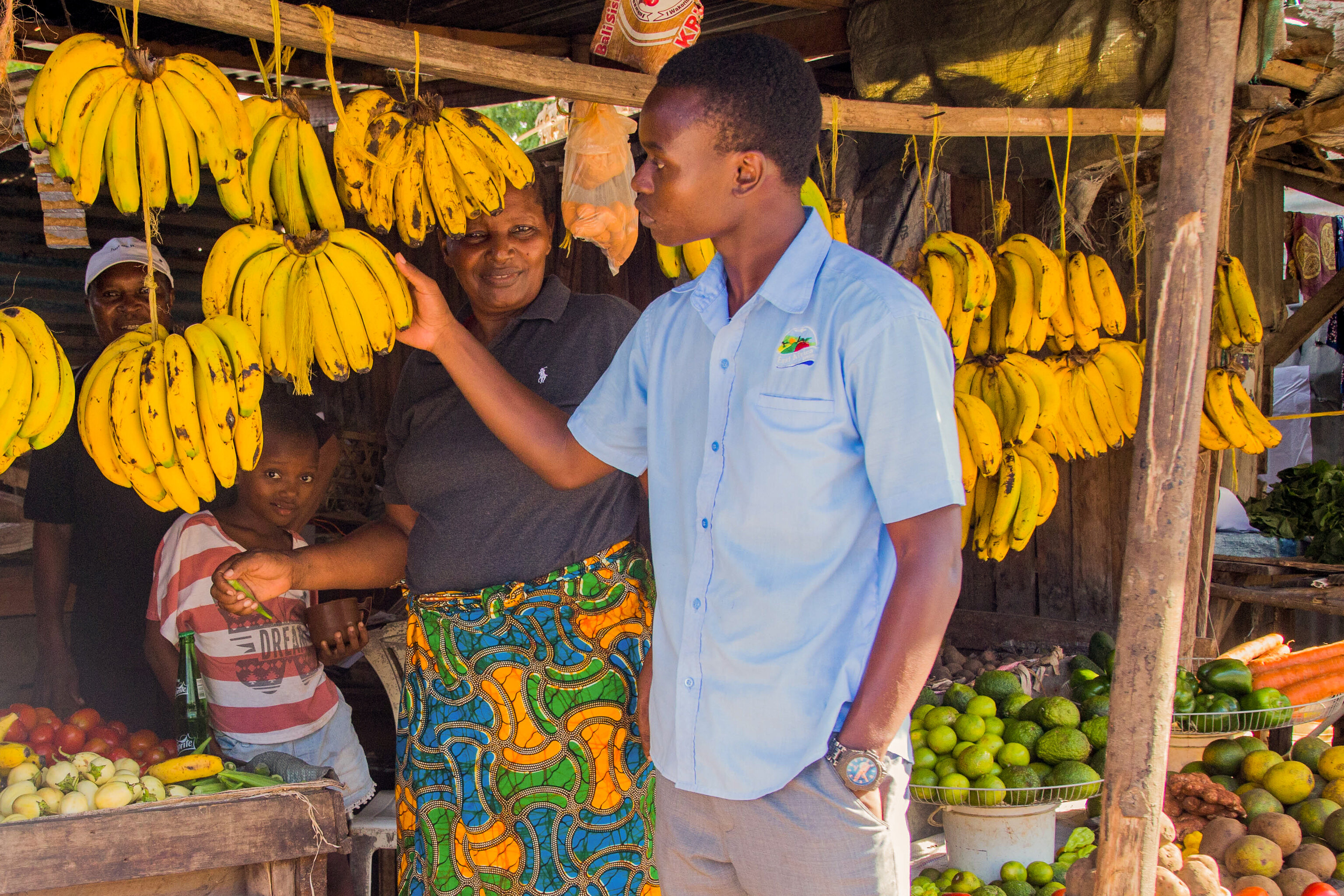
Building respectful and mutually beneficial relationships with customers (farmers and buyers) was critical for East Africa Foods’ business model to achieve scale. Having understood where the system was going wrong and what was important for each group, East Africa Foods was able to find dignified solutions for all. For farmers, this meant consistent support and fair pricing; for buyers, it meant a reliable supply of quality produce. For East Africa Foods, these relationships meant a steady and growing pool of customers: farmers providing produce, and buyers making purchases.
Relationships with farmers: Truly listening to farmers helped Elias identify the need to provide access to training and storage, support with processing, and improved market access. With this support, the farmers working with East Africa Foods began to experience an uplift to their incomes and quality of life. Word of mouth spread about the benefits farmers were experiencing, driving huge growth for the enterprise and securing a reliable, sustainable source of quality produce for East Africa Foods to purchase, process, and sell.
Relationships with produce buyers: Through customer research and direct dialogue, East Africa Foods identified two types of produce-buying customers: formal businesses such as hotels, restaurants, and cafes; and smaller, informal businesses such as…. They learned that each customer worked differently and valued distinct things.
With formal businesses, East Africa Foods set up contracts through a structured process where prices and quantities were established upfront. This straightforward partnership offered convenience and transparency: East Africa Foods provides high-quality produce at low prices through direct delivery and these businesses remain loyal customers.
With informal businesses, East Africa Foods worked to formalize their partnership. These small businesses often operate without documenting how much produce they buy and sell. This lack of proof leaves them unable to access some financial services such as credit and loans. Elia and his team began providing verified statements of purchase, which would allow them to apply for loans and expand their businesses. This formalized partnership also leads to future larger purchases for East Africa Foods, as these businesses grow and scale.
“As a team, we are great listeners. I think we have been able to keep that spirit —that we listen to what customers need.”
Elia ensured that their business model had the flexibility and capacity to serve the needs of each customer. By offering tailored solutions for each segment, East Africa Foods’ reputation grew and the business was able to reach a critical number of farmers and buyers to scale sustainably.
How might further customer research and deep listening help you identify your different customer segments and uncover their unmet needs? What opportunities do you see in your business for incremental innovations - small changes that help you meet your customers needs, and build a memorable customer experience?
A scalable model built around quality and efficiency
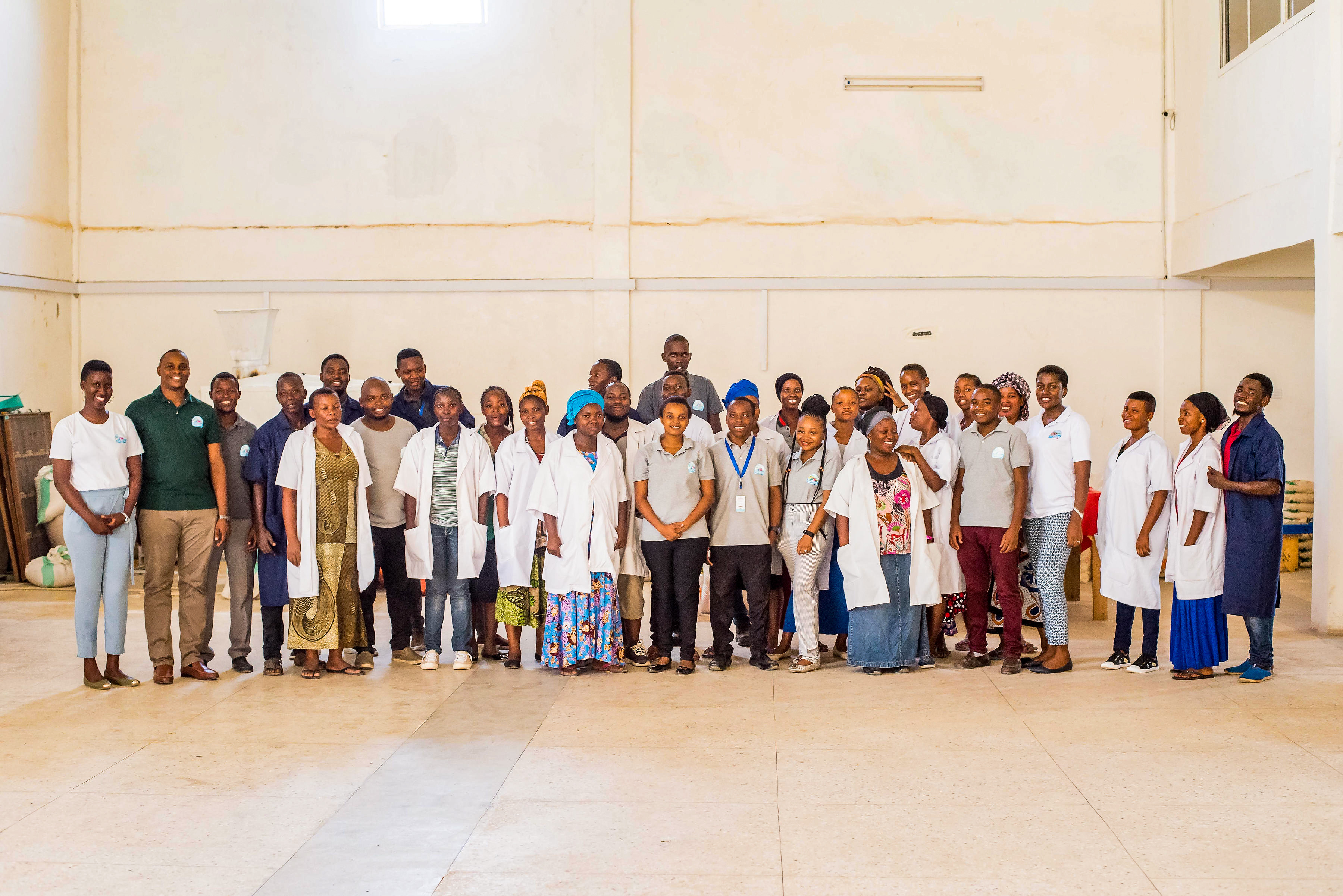
By investing in infrastructure like transport and storage, East Africa Foods brought external functions in-house, improving efficiency, serving more customers, and reducing costs for a sustainable business model.
Investment in infrastructure:
Initially, truck rentals to transport produce was a big expense and gave East Africa Foods little oversight over the care of produce in transit. By investing in their own fleet of temperature-controlled trucks, the company cut costs by about 10% and ensured quality produce reached customers.
Serving more customers:
As the company’s customer size grew, so did its ability to continue closing gaps in inefficiencies. Through customer mapping and clever route planning, the East Africa Foods trucks can make many stops in a concentrated area — even for very small businesses — because their routes group together many customers.
Conclusion
East Africa Foods achieved sustainable success by creating a business model that addresses complex value chain inefficiencies and builds strong, mutually beneficial relationships that drive customer growth and scale.
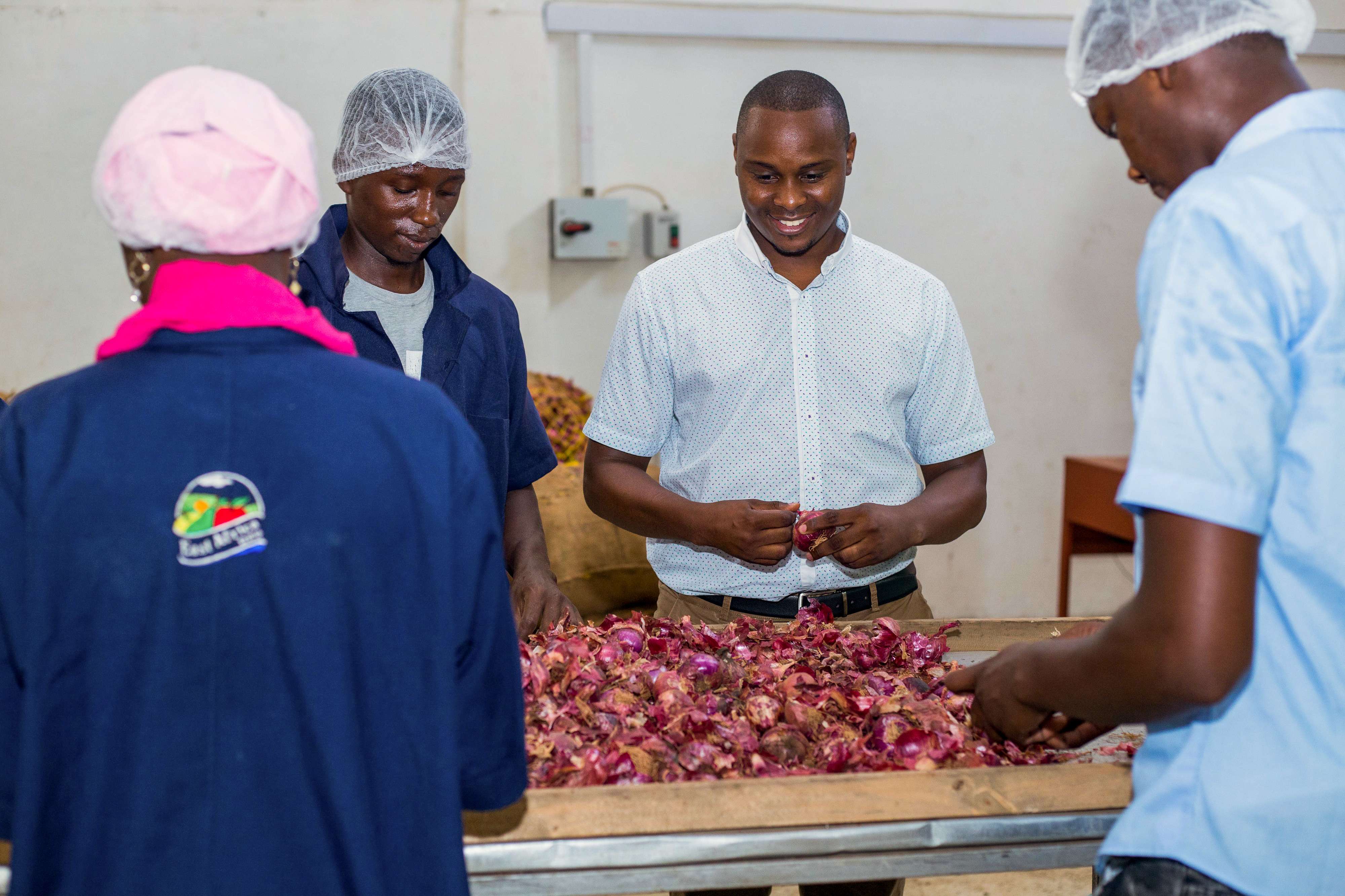
According to Elia, “East Africa Foods' greatest asset is being focused on the vision and mission of the company.” Today, according to East Africa Foods, the company works with over 10,000 farmers, more than 7,000 small retailers, and makes over 4,000 daily deliveries.
→ Elia Timotheo is an East Africa Acumen Fellow.
Key takeaways
Continually engage with the problem you are trying to solve by conducting comprehensive research and deeply listening to all relevant stakeholders to truly understand their needs.
When developing a business plan for a social enterprise, think about what role you will play in the value chain, both initially and in the future, by considering the entire system and identifying specific inefficiencies you want to address.
Recognize that different customer segments may value different things, and ensure your systems have enough flexibility to balance needs and capacities, offering tailored solutions and strong value propositions for each segment.