
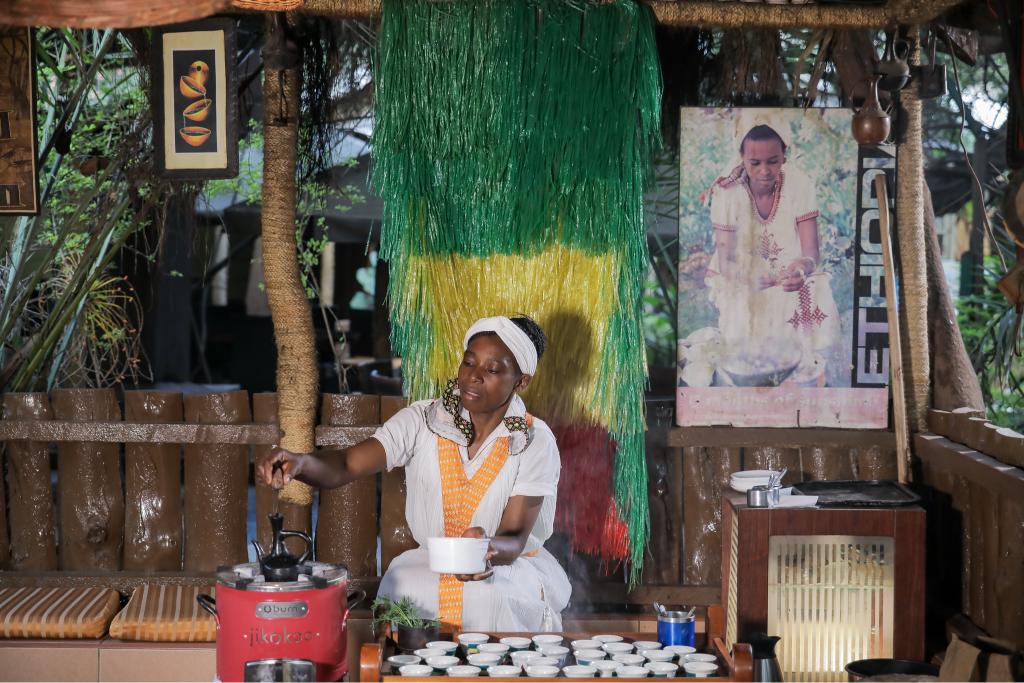
The problem
Over 70% of Kenya lacks access to modern energy and clean cooking facilities.
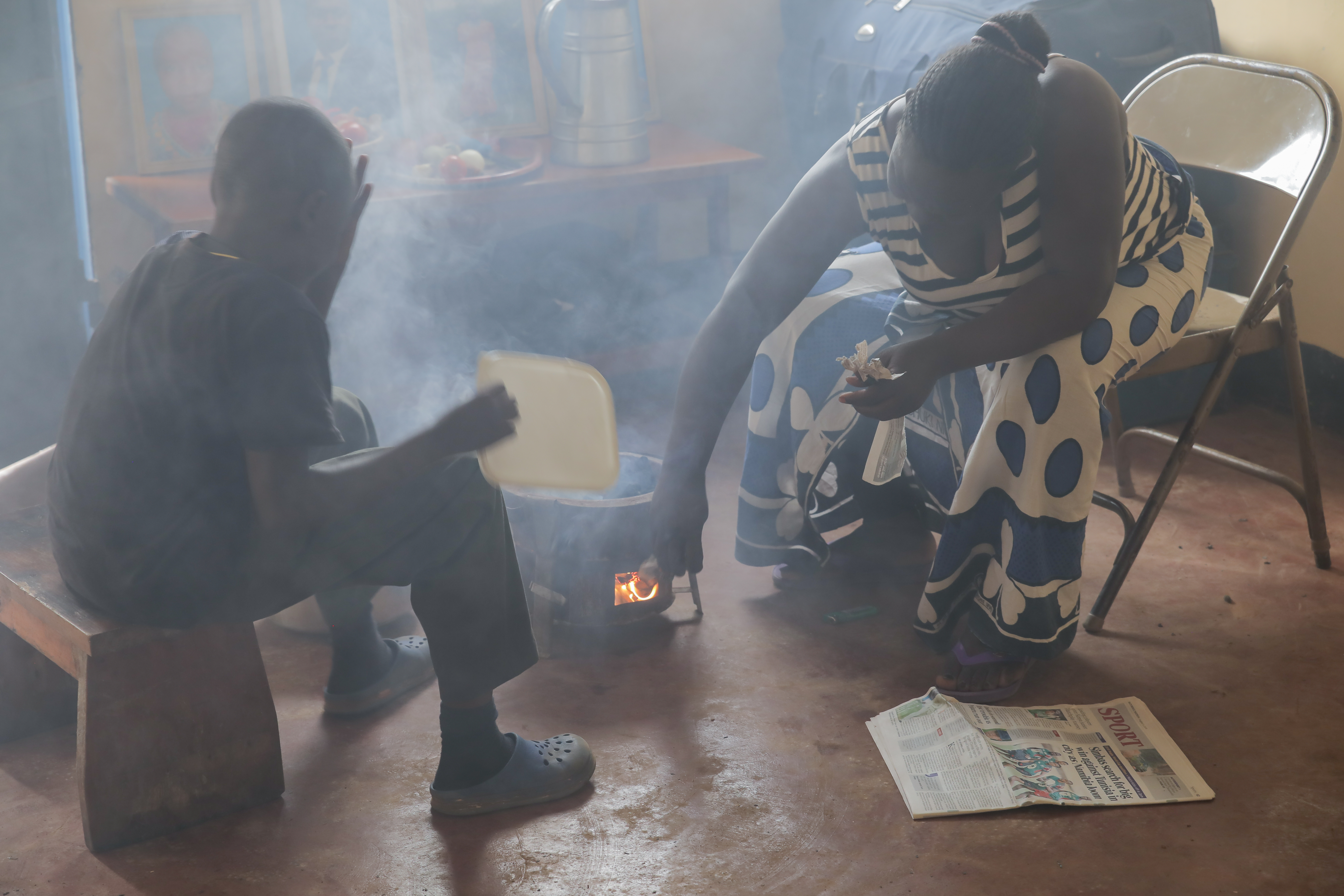
Traditional wood and charcoal cookstoves dominate the industry, costing households up to $500 annually and posing a significant health hazard, emitting toxic fumes and contributing to more than half of sub-Saharan Africa’s deforestation.
BURNManufacturing launched in Kenya in 2014 to produce efficient cookstoves designed to support up to a family of 20 and only use a third of the charcoal and firewood of their competitors, reducing the use of charcoal, kerosene, and firewood by up to 50%.
What they uncovered
As they expanded into Somalia, BURN had to navigate unique cultural and logistical challenges to meet the needs of Somali households.
They conducted door-to-door interviews, built a local grassroots team, and partnered with trusted NGOs, helping them understand customer realities, establish trust, and refine their value proposition.
BURN found that trust and customer loyalty was best built through grassroots efforts—recruiting local teams who understood the community, establishing call centers, leveraging trusted local retailers, and partnering with NGOs.
Establishing a customer feedback loop helped them further refine their products, maintain trust, and ensure they continued to meet customer needs effectively.
What they discovered
BURN’s approach offers a "win-win-win" scenario: reducing household costs, improving health by cutting toxic emissions, and benefiting the environment by saving millions of tons of wood and reducing CO2 emissions.
Their success in Somalia demonstrates the power of deeply understanding and integrating into local cultures, setting a blueprint for similar ventures in challenging markets.
How it started
According to the World Bank, more than 70%1 of Kenya lacks access to modern energy and clean cooking facilities. A vast majority of households rely on traditional wood or charcoal cookstoves that cost as much as $500 a year. Additionally, excessive burning of wood charcoal emits carbon monoxide and other toxic fumes — making it responsible for more than half of sub-Saharan Africa’s deforestation.
To solve these problems, BURNManufacturing (BURN) established its first full manufacturing plant in Kenya in 2014 to produce modern and efficient cookstoves for the urban poor. Unlike traditional cookstoves, BURN’s stoves are designed to counter the dependence on trees and wood as a fuel source. Their stoves range in sizes that support up to a family of 20 and only use a third of the charcoal and firewood of their competitors. These cookstoves cut the use of charcoal, kerosene, and firewood by up to 50%.
In 2021, BURN was set to enter the Somalian market. For many women in Somalia, inhaling smoke from cookstoves and navigating arid climates to gather firewood in a conflict region is a daily hazard. This presented a unique opportunity: BURN could address these pressing health challenges through cleaner and more accessible cookstoves, while reaching a large and unserved segment of customers.
BURN had to create an adapted marketing strategy to sell their cookstoves and meet the needs and customs of the Somali people, while navigating language and cultural barriers to reach them.
“I tried to put myself in their shoes. I put myself in their position and said, ‘How can my product fit within that culture?” said Mohamed Osman Adam, Somalia Country Manager at BURN.
They crafted a strong value proposition, adopted grassroots marketing, leveraged local retailers and partners, and wove local customs into their marketing plan to build customer trust.
1 World Bank, Access to clean fuels and technologies for cooking (% of population) in Kenya, retrieved from the World Bank database
How did BURN do it: 4 Ts of Marketing
The 4 Ts | BURN's Approach | Marketing Strategy |
|---|---|---|
Truth: Understanding your customers’ realities and what influences their decisions. | Door-to-door interviews to understand how customers live their lives. | A value proposition that responds to customers’ specific pains. Place product with retailers who already have local consumer trust. |
Trust & Ties: Building acceptance by weaving your products into the fabric of the community. | A field team of young locals who know local languages and customs. Partner with NGOs that have the trust of the community. Work with elders and local leaders to get buy-in and support. | A grassroots marketing strategy offering product demonstrations. Partnerships that help scale, provide easy product integration, and affordability. Local endorsements create brand trust within the community. |
Trials: Holding an experimental mindset. | Call centers to collect customer feedback. | Respond to customer feedback — their preferences and behaviors — to prevent failed interventions. |
Understanding the customers’ realities
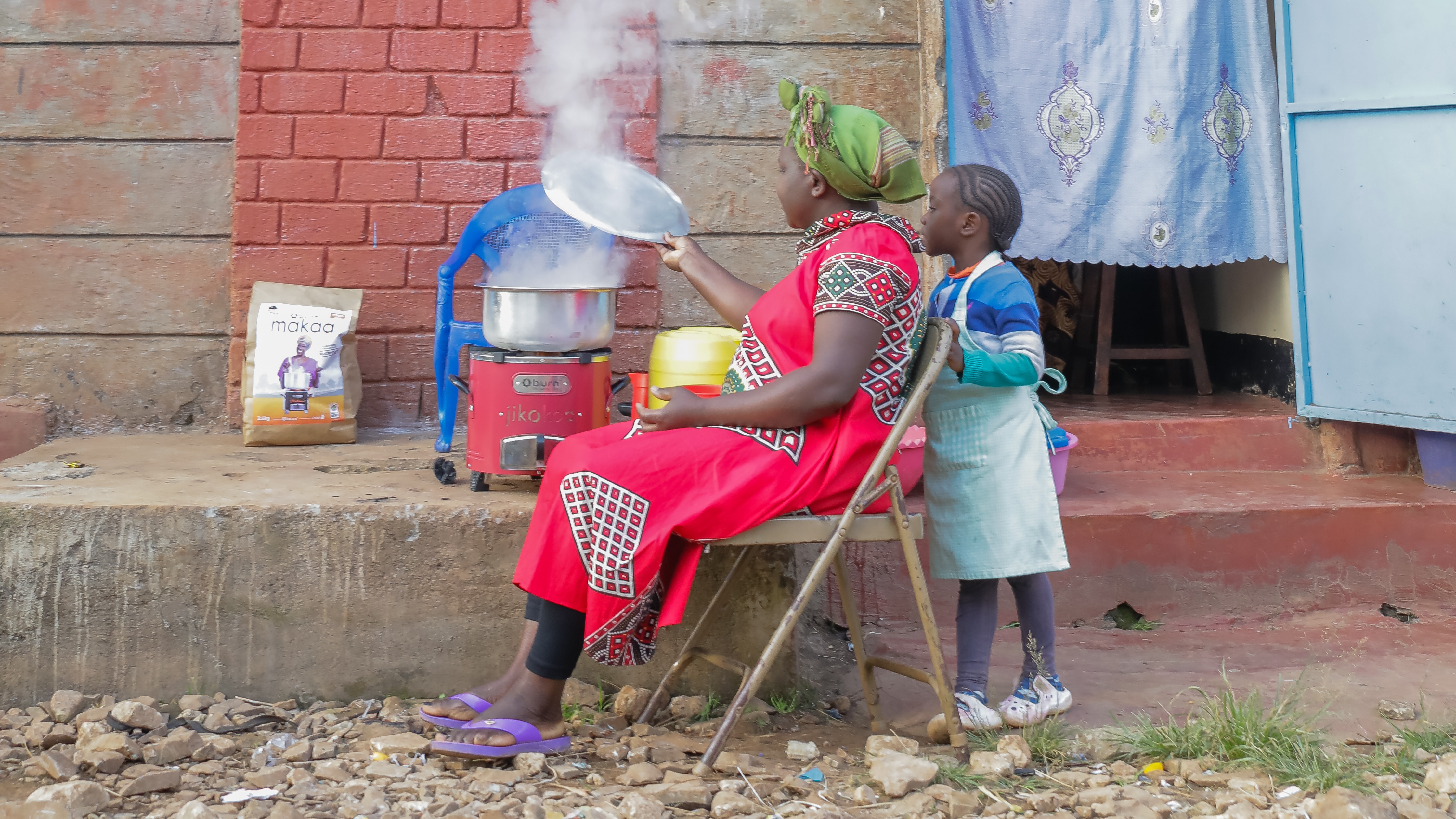
Before they could craft a strong value proposition that would help them effectively market their product, BURN had to understand their customers’ needs and the socio-economic factors that inform their purchasing decisions.
Mohamed explains, “When you deal with customers, you have to understand: How does their money come in? How do they save it? How do they ration for the month? How do they buy things?”
They conducted door-to-door interviews with women in households to further understand customer’s pains and how the problem impacted them. The interviews identified challenges with food affordability, healthcare, and resource accessibility in the region. BURN learned that most households strictly use biomass to generate heat and light in their homes because of a lack of other options and that women had to travel a significant distance, in often dangerous conditions, to gather charcoal and firewood, which would only last for a few days.
This led the BURN team to a clear value proposition: Their cookstoves were a pain reliever and would significantly reduce dependence on charcoal and firewood, offering families the opportunity to save time and money, improve health through reduced smoke and other safety risks, and benefit the environment.
Truth: How well do you understand your customer's realities? How might you leverage your understanding of your customers' emotions, culture, and preferences to craft a value proposition and marketing message that motivates them to make a purchase?
Building customer trust
BURN adopted a grassroots marketing strategy to build customer trust:
Recruiting community agents: BURN recruited a grassroots team of young locals to carry out door-to-door sales, conduct interviews, and educate households on the financial, health, and environmental benefits of using BURN cookstoves. They trained the team on how to use the product and communicate its value proposition to customers. The team’s ability to speak local languages and build relationships was instrumental in getting a loyal customer base. Young women on the team, who often had cooking experience, were able to provide cooking demonstrations with the stove that felt authentic to the other women.
Leveraging local retailers: To place its cookstove in the market, BURN partnered with small local businesses that sell food and kitchen-related items that already had consumer trust.
Building partnerships with NGOs: Local NGOs distributed BURN cookstoves as part of their food assistance programs, offering easy product integration. For NGOs that provide cash transfers, BURN was invited to demonstrate how its cookstove was an investment that offered long-term health and savings benefits.
Engaging influencers: To get buy-in from elders and local leaders, BURN worked with the Smart Communities Coalition in Somalia, a consortium of clan leaders, elders, government and NGOs, to understand local challenges and educate them on how BURN cookstoves could make a health and environmental difference in their communities.
Trust & Ties: Who are the people your customers most identify with and trust? How might you work with them to build awareness and acceptance of your product?
Sustaining customer trust
BURN believed if they had a quality product, and customers believed in the benefits of the cookstove, then awareness would spread through word of mouth. In Somali culture, women gather and visit each other when their children are in school. Over time, the company gained awareness through these conversations between women in the community.
To ensure trust and customer satisfaction went beyond local acceptance and word of mouth, BURNoffered product warranties and established a call center where they could talk customers through the product, provide support and guarantees, and collect valued customer feedback.
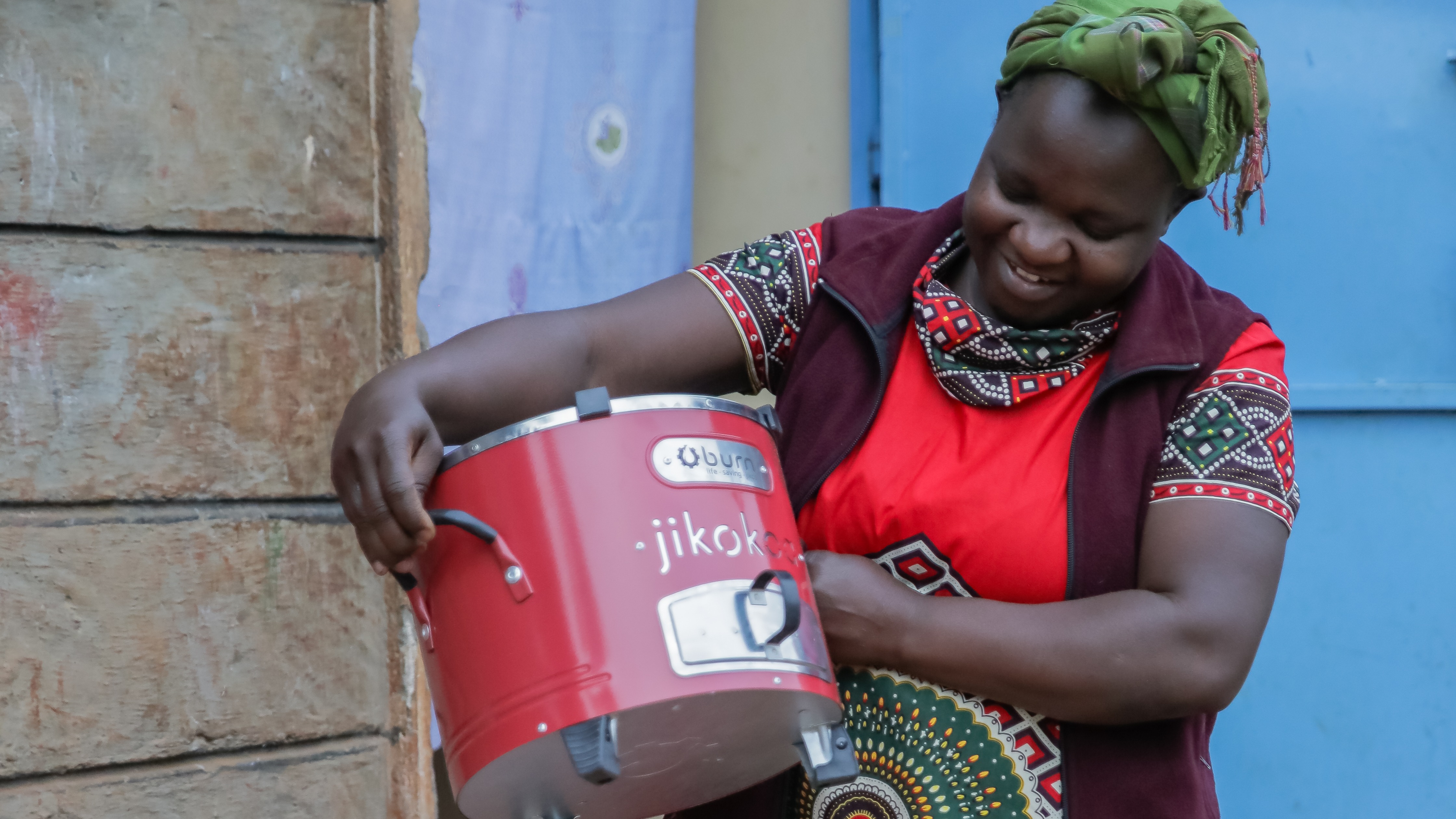
“We were the first and are still the only company [in the country] that has a real call center,” Mohamed said. “They’ll reach a live person talking to them and teaching them about the product. If something breaks within a time, we’re willing to fix it.”
Trials: How can you discover and respond to customer preferences and behaviors to ensure your marketing efforts speak to their truth?
BURN has sold over 5 million stoves, provided more than $1.1 billion in household savings, and impacted over 28 million lives. They have reduced more than 28.9 million tons of CO2 emissions, saved over 16.2 million tons of wood, and created 3,500 jobs (50% women).
According to Mohamed, BURN offers a “win-win-win” opportunity to save families time and money, improve healthcare through reduced smoke and security risks, and benefit the environment.
“When you do business, everybody has to win, from the end user all the way to the person who’s producing it [and] to the person who started this business,” he explained. “If one person does not win, then that business does not win.”
In the Somali region, BURN focused on integrating its products deep within the fabric of everyday life, making BURN products not only a household name, but a recommended brand in the area.
BURN Manufacturing is part of Acumen's investment portfolio, which focuses on helping social enterprises grow from seed to scale.
Key takeaways
Spend time understanding your customers' truth and the socio-economic factors that inform their purchasing decisions.
Leverage local partnerships — with influential individuals, retailers, and NGOs — to build trust and credibility.
Constantly ask, “How can my product better fit within that culture?”
Provide quality products and excellent customer support to maintain positive relationships within communities and retain customers.