
Introduction
The ability to partner effectively is critical to scaling impact. There are many ways to scale a business, but partnerships are almost always a crucial component of social enterprise success stories. Creativity, empathy, thoughtfulness, and a strategic mindset are often key ingredients.
Here we showcase how five social enterprises from Acumen’s community approached strategic partnerships to help them scale their impact. Each is driven by the need to achieve a unique set of business outcomes, with thoughtful consideration as to the best type of partner that can help accomplish them.

BURN Manufacturing
Partnerships with local NGOs helped BURN Manufacturing establish distribution channels to reach rural households.
SokoFresh
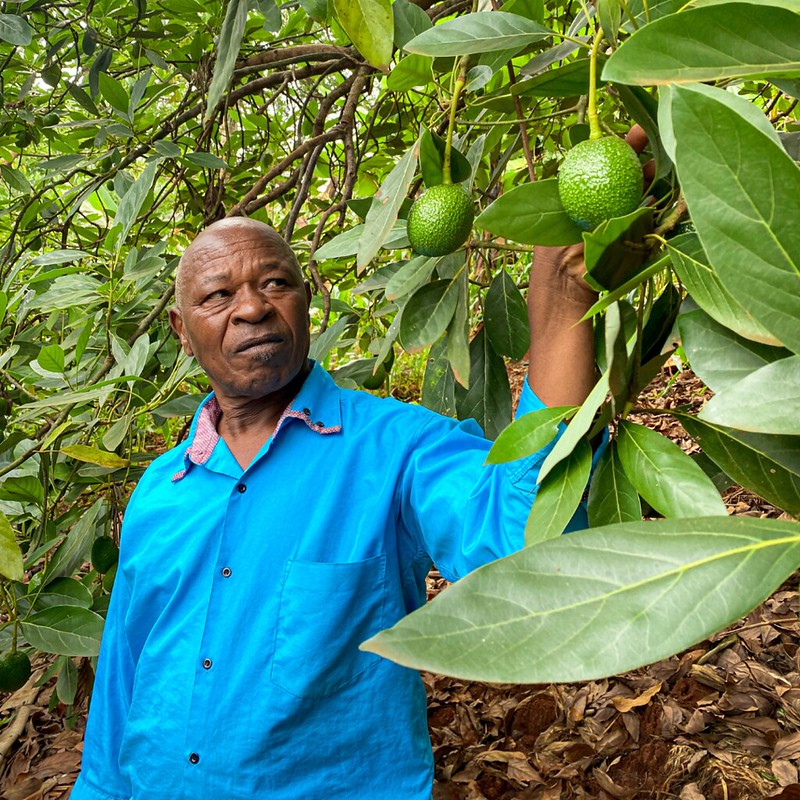
Funding partnerships helped SokoFresh fund and develop different aspects of its business model at various stages.
East Africa Foods Co.
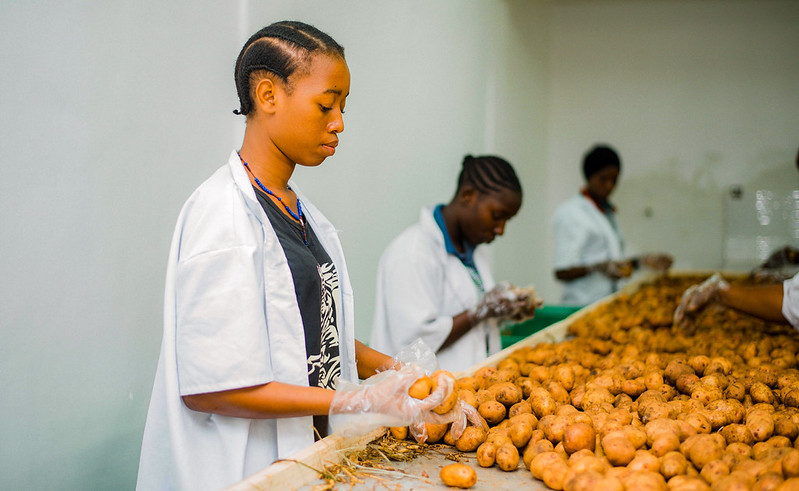
A multi-stakeholder partnership helped East Africa Foods Co. enhance and bring efficiencies to the agriculture value chain.
Aravind Eye Care System
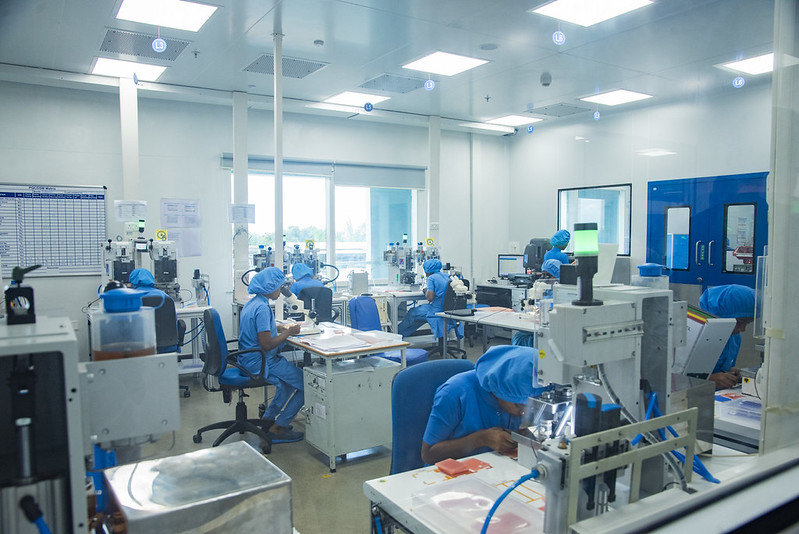
A values-aligned partnership helped Aravind Eye Care System drive down its health services costs and deliver on its mission.
EthioChicken
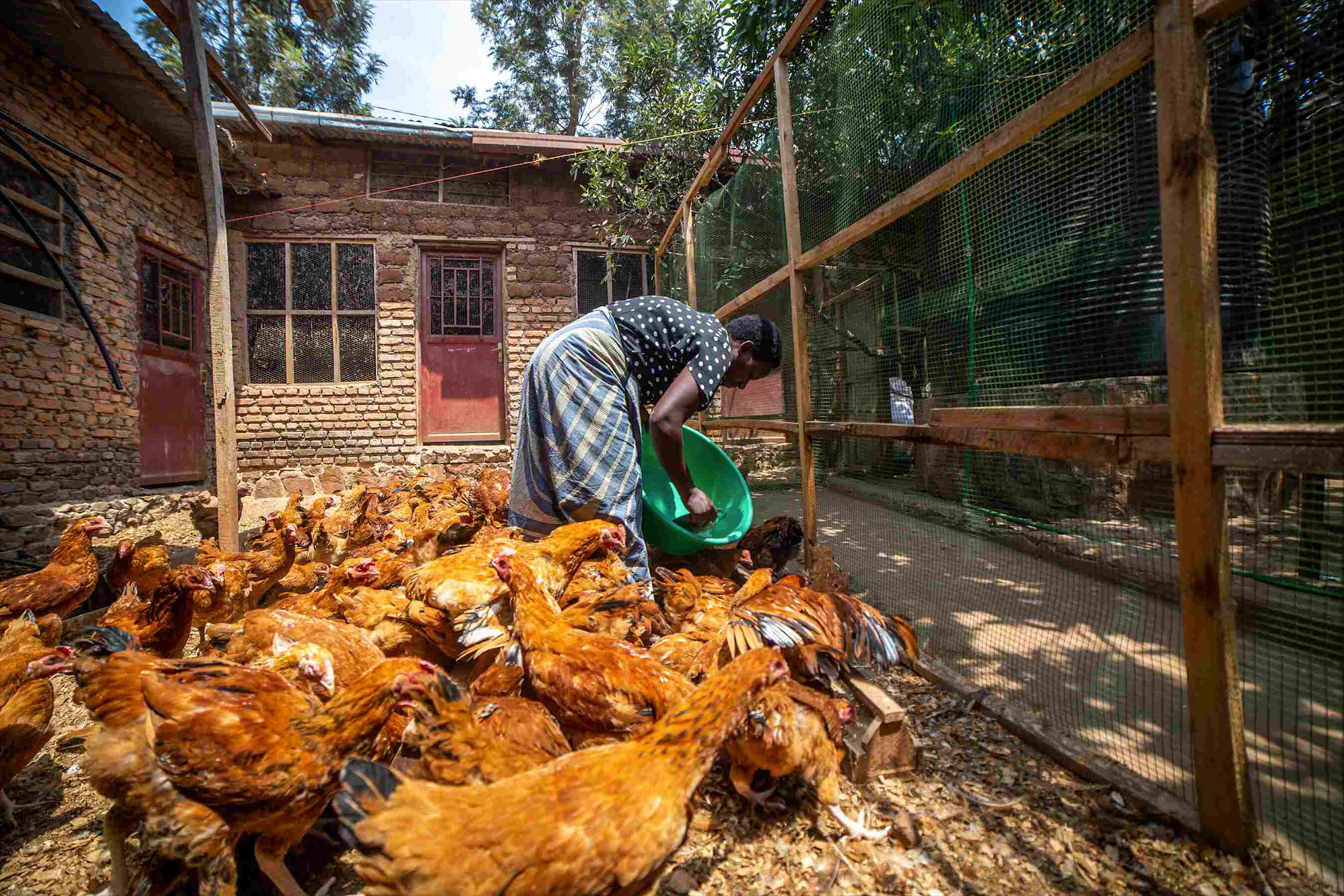
A mutually beneficial government partnership helped EthioChicken (Hatch) scale leanly.
The problem
Scaling impact in social enterprises requires more than just a great product or service; it demands strategic partnerships.
Without the right collaborations, social enterprises may struggle to reach their full potential and achieve meaningful, lasting outcomes in the communities in which they operate.
Why it matters
By leveraging diverse partnerships, organizations can overcome obstacles, amplify impact, and achieve sustainable growth.
→ Stay open and stay creative. Viewing every stakeholder as a partner opens new avenues for innovation and success.
Lessons from the field
BURN Manufacturing (BURN) partnered with local NGOs to reach rural communities in Somalia, demonstrating that collaboration can overcome distribution and cultural challenges.
SokoFresh treated funders as strategic partners, emphasizing the importance of aligning with investors who add value beyond capital.
East Africa Foods Co. built strong relationships across the value chain, demonstrating how understanding and addressing stakeholder needs can drive business success.
Aravind Eye Care System found mission-aligned partners for innovation, proving that collaboration can reduce costs and expand access to essential services.
EthioChicken (Hatch) leveraged government partnerships to scale efficiently, showing that aligning with governmental goals can accelerate growth.
How might partnerships allow you to achieve more than you can alone? As you work through this case study, keep in mind if you are currently seeking similar business outcomes to any of the examples given; if so, how might their approach to partnerships inspire you?
BURN Manufacturing
BURN Manufacturing (BURN) is a Kenyan social enterprise that was founded in 2014 to manufacture modern, low-cost, and energy-efficient cookstoves for the urban poor.
In 2021, they entered the Somalian market to bring their clean cookstoves to a new and underserved customer segment. The region was highly dependent on trees and wood for fuel, facing rising climate risks and deforestation.
But limited infrastructure, language and cultural barriers — and the uneasiness of doing business in a conflict region — posed challenges.
How BURN partnered with NGOs to reach rural customers
To improve their reach into new rural communities and households, BURN built two strategic partnerships with local NGOs to scale operations and distribute their cookstoves.
1. They partnered with NGOs that run food assistance programs to distribute their cookstoves as part of the programming, offering easy product integration.
GIZ is a German organization providing training, incentives, and pots for families in Somalia to pasteurize milk as a source of livelihood. BURN introduced their stoves alongside the cooking pots to promote a healthier and more environmentally conscious product.
2. They partnered with NGOs that provide cash transfers to demonstrate their cookstove as an investment that would contribute to savings and health benefits in the long-term.
As part of its women’s economic empowerment initiative, the United Nations Development Program (UNDP) ran a program to help women establish tea shops in remote communities. They invited BURN to carry out product demonstrations and position its stoves as the clean-cooking product of choice. In a similar program, the UNDP provided women with five cookstoves to sell in their local community, and paid the women a margin of the sales.
Strategic partnerships with local NGOs that shared similar values allowed BURN to create distribution channels, demonstrate and integrate their cookstoves with similar products, build the trust of new customers, and expand their reach to rural households.
What local partnerships could you leverage to help overcome distribution challenges and achieve similar outcomes?
SokoFresh
Despite a healthy demand for their produce, nearly half of all fruits and vegetables grown and harvested in Kenya never reach the market. A lack of reliable, affordable, and sustainable storage options is one of the main obstacles that prevents smallholder farmers from keeping their produce fresh and able to sell it for a fair price.
SokoFresh is a Kenyan social enterprise launched in 2019 that provides cooling-as-a-service to farmers and uses solar-powered cold storage technology to unlock a longer shelf life for fruits and vegetables and improve outcomes for farmers.
In just four and a half years, SokoFresh raised $2 million and scaled to become Kenya’s market leader in cold storage solutions for smallholder farmers. A key contributor to their success has been a clever fundraising strategy that at its core considers funders as partners.
How SokoFresh viewed funders as partners
SokoFresh focused on building three distinct partnerships with investors to add value to the enterprise as it worked to refine and scale its business model.
1. Technology investors to help provide expertise and guide innovation
With technology being a key component of their business model, SokoFresh partnered with technology investors whose expertise helped guide innovation and successfully integrate their mobile payment platform.
2. Impact investors to help evolve their impact model, build a robust theory of change, and reach social outcomes
SokoFresh built partnerships with impact investors who could support the development of their impact model and could suggest improvements to their approach to impact measurement and management.
3. Commercial investors to help push revenue growth and establish robust financial metrics
SokoFresh partnered with commercial investors who treated them as a corporate business. These investors saw SokoFresh’s potential for revenue growth as a good fit for equity investment. For SokoFresh, working with commercial investors early on and seeing them as partners opened up possibilities for follow-on investment as they grew and scaled.
By building partnerships with different types of funders — impact, commercial, and technology investors — SokoFresh added value to its business model far beyond the money raised.
How can you work with investors as strategic partners to address specific needs within your business model and add value to help you scale?
East Africa Foods Co.
As in Kenya, half of everything farmers produce in Tanzania isn't sold due to poor storage, handling, and transportation options that prevent farmers from reaching buyers in the market. These post-harvest losses put an incredible strain on smallholder farmers, whose livelihoods depend on selling their produce.
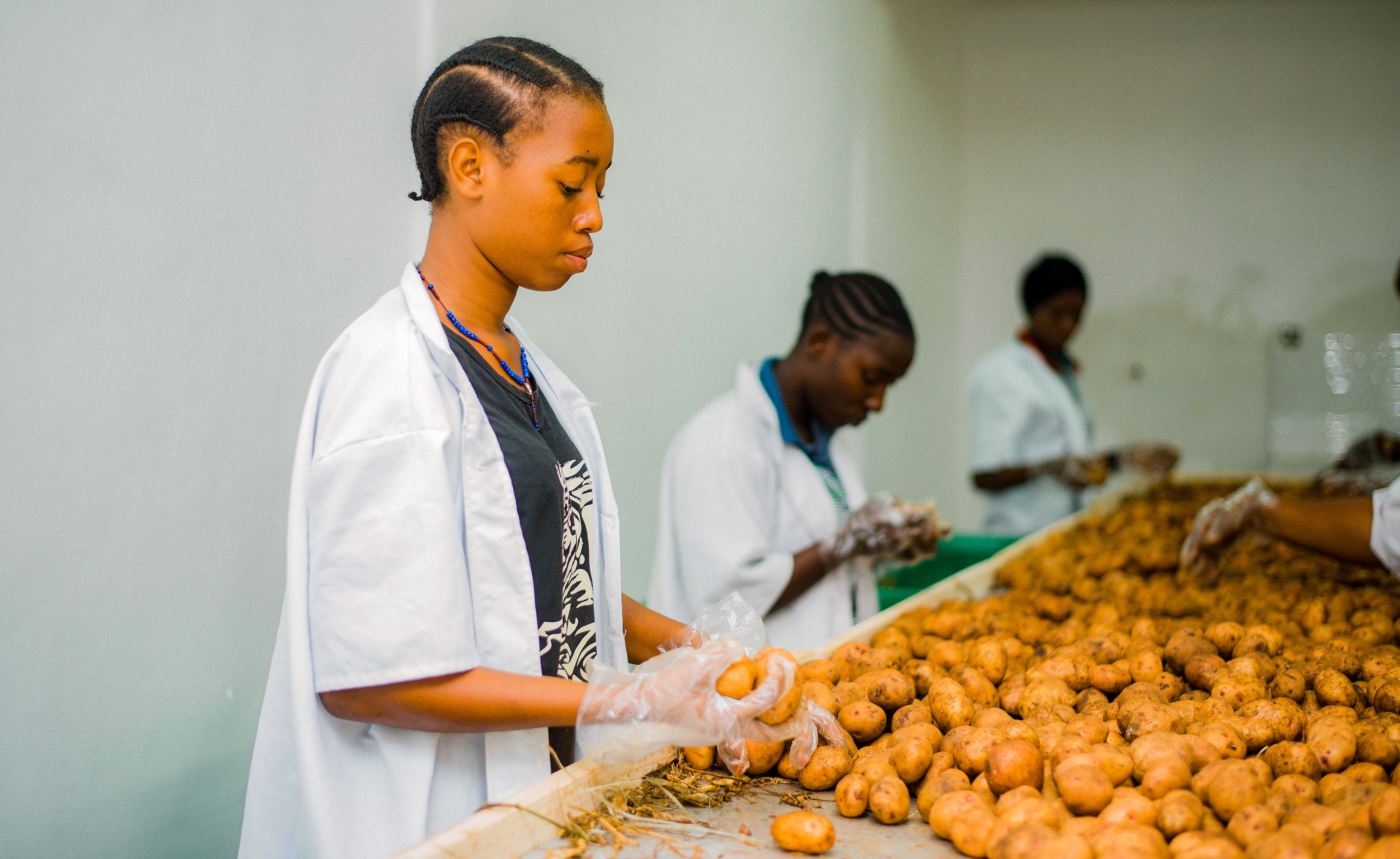
East Africa Foods Co. is a social enterprise working to fix this broken system. First, the company helps farmers with crop planning. Next, they buy the farmer’s produce and transport it in their fleet of trucks. Then they aggregate the produce of many farmers, process it in their facilities, and add value to the produce by cleaning, ripening, and/or freezing it. Lastly, they distribute the produce directly to buyers, ranging from large hotels and restaurants to small informal businesses.
How East Africa Foods partnered with farmers and buyers
To build this new distribution system and create a business model that adds real value, East Africa Foods started to view all of their stakeholders — from suppliers to customers — as partners. They built strong relationships and partnerships with them, knowing success for the whole value chain would ultimately benefit them, too.
1. Partnerships with farmers: East Africa Foods helped farmers by providing them access to training and storage, support with processing, and improved market access. Working with them, the farmers began to see an increase in their incomes. Word of mouth spread about the benefits farmers were experiencing, driving huge growth for the enterprise.
2. Partnerships with produce buyers: Through customer research and conversations, East Africa Foods identified two types of produce-buying customers: formal businesses such as hotels, restaurants and cafes, and smaller, informal businesses. They learned that each customer worked differently and valued distinct things.
3. With formal businesses: East Africa Foods set up contracts through a structured process where prices and quantities were established upfront. Their straightforward partnership offered convenience and transparency: East Africa Foods provided high-quality produce at low prices through direct delivery and these businesses remained loyal customers.
4. With informal business: East Africa Foods worked to formalize their partnership. These small businesses operate without documentation about how much produce they buy and sell. This lack of proof leaves them unable to access micro loans. East Africa Foods began providing verified statements of purchase, which would allow them to apply for loans and expand their businesses. This formalized partnership would also lead to future larger purchases for East Africa Foods, as these businesses grow and scale.
By working to understand the needs and challenges of farmers and produce-buying customers, East Africa Foods was able to build meaningful partnerships and add real value across the value chain for all stakeholders, which ultimately drove the growth of their business, too.
Who are your stakeholders? What conversations or research can you initiate to better understand their needs? How could taking a partnership approach to working together add value for them and generate outcomes for both of you?
Aravind Eye Care System
Based in south India, Aravind is a social enterprise founded in 1976 by Dr. Venkataswamy (known as “Dr. V.”) whose mission is to end curable blindness, a growing problem that, in a populous and developing country like India, the government alone cannot address.
Currently, over 50% of Aravind patients are treated completely free or steeply subsidized rates, while the remaining 50% pay based on their choice of facilities and services. Aravind has built incredible efficiencies into their system to serve both paying and non-paying customers, including strategies to treat multiple patients at a time, training nurses to support surgeries, and streamlining all aspects of the operating process without sacrificing quality.
In the late 1980s, a new surgical technique with lens implants emerged for treating cataracts, with far better outcomes. However, due to the high cost of the lenses, Aravind could only offer them to paying patients. Dr. V. wanted to make it affordable and offer it to all of Aravind’s patients.
So the company set about finding a partner with a shared mission to fund the necessary innovation to make new treatments accessible for all patients.
How Aravind partnered with an international NGO on research and development
1. They set an ambitious and compelling vision to excite partners
In the 1990s, after failed attempts to partner with Western healthcare companies manufacturing intraocular lenses, and searching for ways to drive down costs to make the lens and procedure affordable for low-income patients, Aravind launched Aurolab — its own manufacturing facility to produce intraocular lenses and train physicians to implant them.
2. They identified potential partners, the nonprofit Seva Foundation and Sightsavers International, with a shared mission.
These nonprofits work to prevent avoidable blindness, fight disease, and create brighter futures for people living in poverty.
3. They leveraged the partners resources to achieve their goal
Grants from Seva Foundation and Sightsavers helped fund getting the technology, as well as research and development (R&D) leading to the innovations needed to drive down costs and make the manufacturing of intraocular lenses and physician training possible. By focusing on the transformative potential that a technological breakthrough could have on access for low-income patients, Aravind was able to lean into the mission alignment of the two organizations and unlock a mutually beneficial relationship.
→ As of November 2024, Aravind Eye Hospital is the world’s largest and most productive eye care hospital, having performed 10.1 million surgeries, and serves as an inspirational model in India and around the world.
Aravind was able to identify partners with a similar mission to support them to innovate, and ultimately drive down costs to $4, while US-produced lenses cost up to $150.
What big innovations might lead to big wins for your customers/beneficiaries and how might mission-aligned partnerships help you secure the funds needed to explore these?
EthioChicken (Hatch)
In Ethiopia, an estimated 30% of the population lives below the poverty line, and 47% of children experience extreme malnourishment.
EthioChicken is an Ethiopia-based social enterprise founded in 2010, providing affordable, high-quality eggs and meat to families across the country to improve nutrition, enhance the livelihoods of smallholder farmers, and create income opportunities in rural communities.
They provide chicken growers with day-old chicks that can thrive in the village environment, are fast maturing, and produce four times as many eggs when compared to indigenous birds. With access to a sturdy breed and operational support, chicken growers establish successful poultry businesses and sell their chickens to smallholder farmers who, in turn, provide eggs and meat to local villagers.
How Ethiochicken (Hatch) partnered with government
At the early stages of starting the business, reaching a large volume of farmers was a significant challenge for the Ethiochicken team. The founders soon recognized that the government had substantial influence over the sector and was well-placed to help them reach smallholder farmers nationally.
EthioChicken (Hatch) identified a shared goal of increased health outcomes for the population and used this to build a mutually beneficial partnership with the government.
1. They identified and leveraged complementary strengths: the government in Ethiopia already had something EhtioChicken did not: a sense of trust with rural farmers and a far-reaching network of local agents. At the same time, for Ethiopia’s local government, the social enterprise offered a public service that aligned with the government’s efforts to provide quality social services and improved livelihoods.
Acknowledging the government’s strengths and recognizing the potential for mutual benefits, EthioChicken (Hatch) decided to leverage the state’s knowledge and expertise to scale their operations. Their first facility was a government farm, and from day one, the company has prioritized building productive and long-term relationships with government.
2. They used the government's reach and influence to convene farmers: To support EthioChicken (Hatch) in reaching rural customers, local government experts convened farmers to hear the company’s sales pitch and even provide support for delivery and sales transactions. At the same time, because this outreach is of minimal cost to EthioChicken (Hatch), it gradually allowed the enterprise to leanly scale their business and was critical in helping them reach new customers.
→ Diversify, plan ahead, and think beyond Ethiochicken (Hatch) partnership with the government was instrumental in their early success. It helped them establish credibility, gain initial traction (or access to market), and lay the groundwork for long-term relationships with the farmers—achievements that would have been difficult without such a collaboration. However, over time, Ethiochicken (Hatch) realized that relying solely on any single partnership was not good for the business’s long-term sustainability and their model evolved.
In 2020, building on their success in Ethiopia, Ethiochicken (Hatch) expanded to new countries. This shift enabled them to move beyond the existing framework and establish direct, more adaptable relationships with farmers. By evolving their approach, Ethiochicken (Hatch) ensured they could meet the demands of new markets while maintaining their momentum for long-term growth.
Partnerships are valuable as starting points, but they are not end goals. To thrive, it is essential to regularly assess the mutual value of the relationship, diversify strategies, plan for future steps, and treat each partnership as a foundation for continued growth.
Think about a current partnership or strategy you rely on. How can you leverage it to achieve your immediate goals, and what steps can you take now to prepare for the next phase of growth or evolution?
Key takeaways
Strategic partnerships can help you overcome business challenges and/or achieve strategic business outcomes but they must be mutually beneficial. Be clear on your objectives as well as the value you bring in order to find the right partners for the job.
Building strategic partnerships takes time, patience, and planning. A long-term strategy should go hand-in-hand with an approach for any partnership.
By viewing every stakeholder as a partner — whether its customers, suppliers, distributors and funders — you can start to identify mutual benefits that will lead to outsized impact and business outcomes for both parties.