How it started
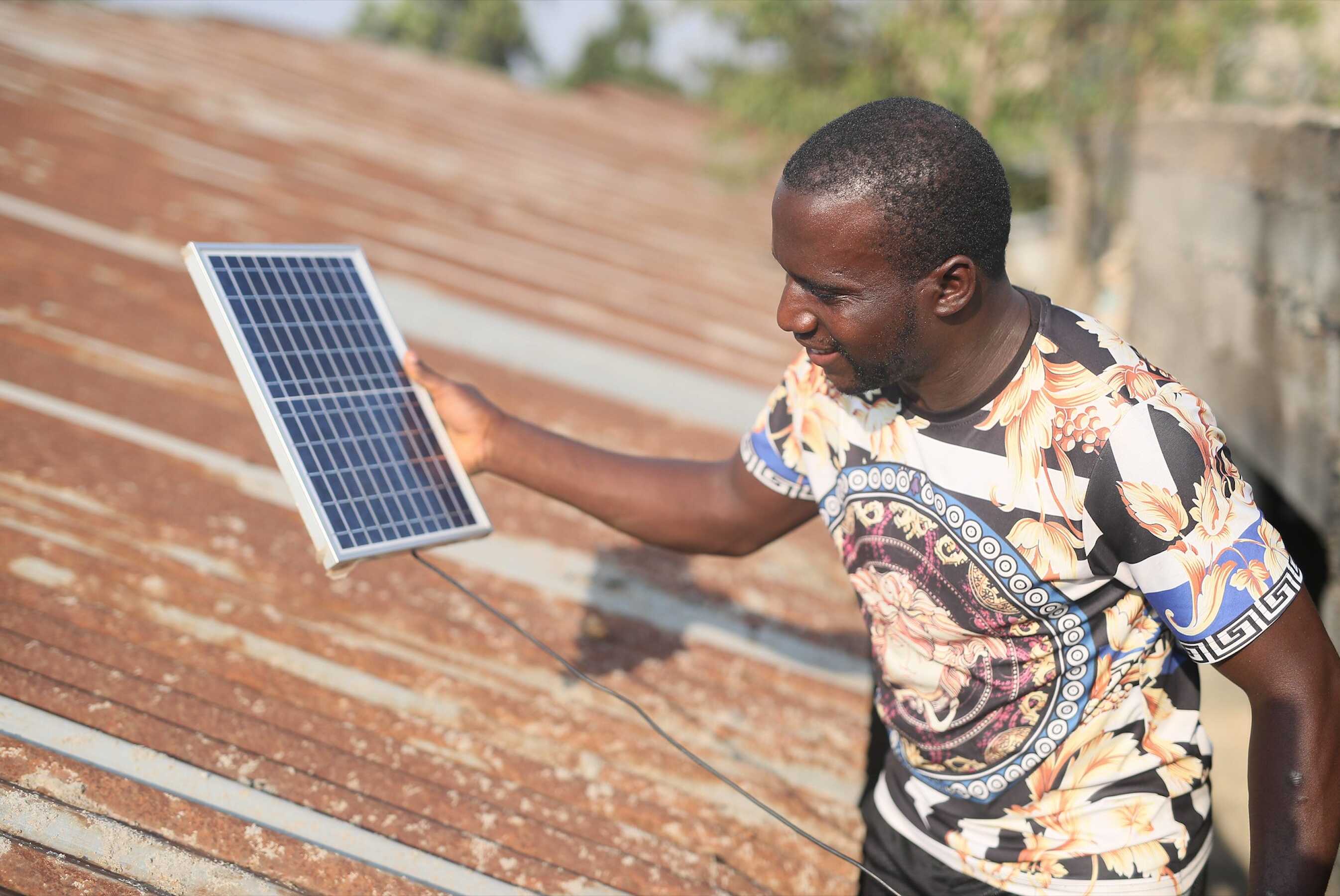
According to the World Bank, in 2016, more than 80% of Sierra Leone’s population lived without electricity and only 1% had access to it in the country’s rural communities. Households spent up to 30% of their income on alternative and often unhealthy fuels, such as batteries or fossil fuel-based kerosene. While solar power was available, it was often outside of the financial reach of the poor.
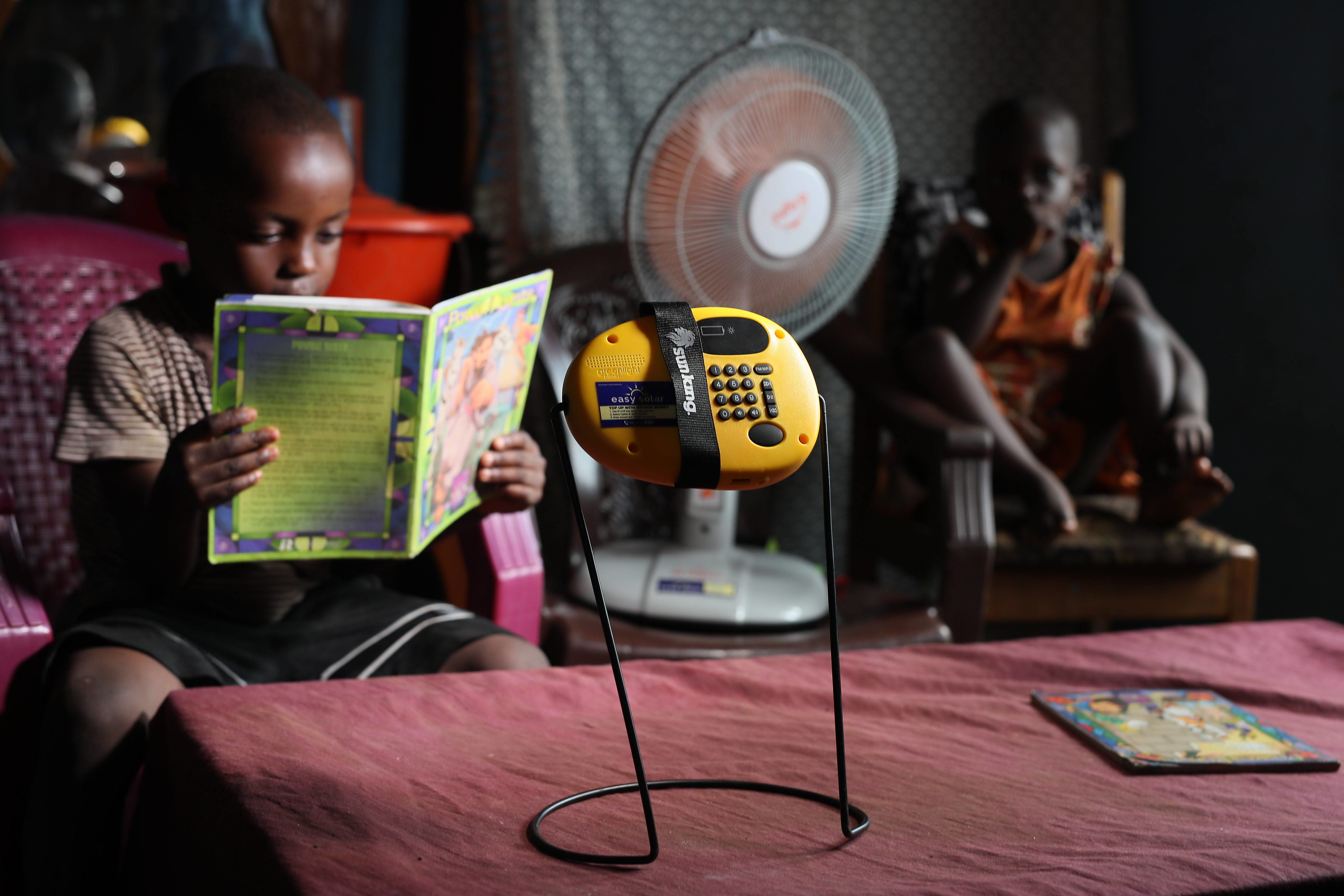
Easy Solar was founded in Sierra Leone in 2016 by Alexandre Tourre, Nthabiseng Mosia, and Eric Silverman to provide access to high-quality and durable solar energy solutions. Their products include solar lanterns, home lighting systems, cookstoves, and other energy-efficient appliances. These are made accessible and affordable through flexible financing options, pay-as-you-go technology, and a wide network of selling agents and shops.
Easy Solar believes that no customer is too remote to reach. Following market research and government surveys, they identified a need to serve amputee communities in Sierra Leone who lacked access to basic infrastructure. These vulnerable communities live in remote areas, often up to 5 miles away from major towns, without access to national power grids.
Easy Solar sought partnerships to make possible this dream of reaching underserved communities in the most inaccessible locations. They recognized that by collaborating with organizations already serving these customers, they could also reach them. So they began looking for an organization with an aligned mission, existing community presence and infrastructure that would allow them to integrate products, leverage distribution channels, and address service gaps to meet the needs of amputee customers in meaningful and impactful ways.
Easy Solar sought a partnership that could help them meet a critical need for Sierra Leone’s amputee community, access to affordable solar energy. What current gap are you seeking to fill for your customers/beneficiaries? How might a partnership help you to meet a need for the people you serve?

The problem
In 2016, over 80% of Sierra Leone's population lacked electricity, with only 1% of rural communities having access.
Poor households were forced to spend up to 30% of their income on unhealthy energy alternatives like batteries and kerosene.
While solar power was available in urban areas, it remained inaccessible and prohibitively expensive for most Sierra Leoneans, especially those in rural communities.
A bright idea
Easy Solar is a last-mile distributor that focuses on providing electricity to those who are off-grid in remote areas of Sierra Leone. During their work in rural areas, they identified amputee communities in the Northern region that lacked access to electricity and the financial resources to purchase solar products, even with flexible payment plans.
To address this, Easy Solar partnered with ENABLE Sierra Leone, a mission-aligned nonprofit providing housing for people with disabilities, offering them discounted home solar energy products. This collaboration helped bridge service gaps by offering affordable solar solutions to these vulnerable communities.
Why it matters
Easy Solar's partnership with ENABLE not only provided amputees with affordable energy but also created jobs by training them as sales agents.
This approach expanded Easy Solar’s reach, delivering sustainable energy to previously inaccessible communities, and improving livelihoods.
To date, Easy Solar has provided energy access to 1 million people and offset 124K tons of CO2 emissions, demonstrating the power of mission-aligned collaboration to amplify impact.
Strategic partnerships require strategic thinking
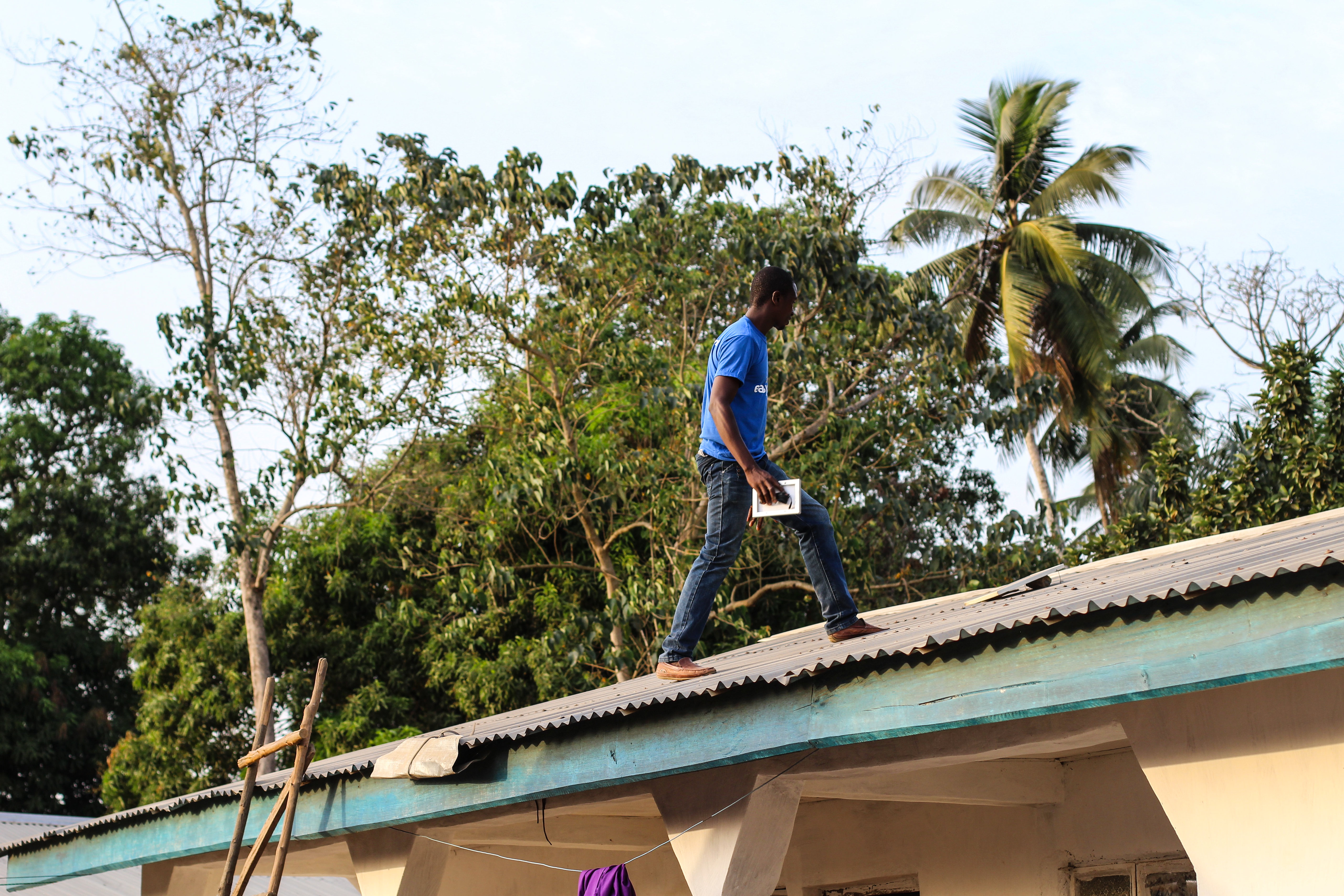
Easy Solar’s approach begins with Territory Sales Managers scoping underserved communities lacking access to electricity, as they engage with rural leadership to understand local needs and challenges, ensuring solutions are tailored and impactful. Through visits, live demonstrations, and pilot installations, they assess interest and identify gaps in services. These interactions often help in identifying existing organizations working in the area, paving the way for potential partnerships.
They seek to evaluate the fit of potential partnerships by answering these questions about the nonprofits working across the sector and region:
Goals: What are the nonprofit’s goals? Are they aligned with those of Easy Solar’s?
Opportunities: Are there specific gaps in services the nonprofit’s haven't fully provided? Could these gaps present opportunities for collaboration, where Easy Solar could help expand their impact?
Funding: Does the nonprofit have sustainable funding that enables them to continue their work for the foreseeable future reliably? What are their funding restrictions based on their donors’ requirements?
They outline two main criteria to guide the partnership:
A clear opportunity to fill gaps in services and impact more lives by reaching previously inaccessible communities with clean-energy solutions.
Secured funding of the nonprofit for at least the next two to three years that guarantees their ability to provide services in the near future.
Who are the other organizations already reaching your target customers? Based on your unique needs and priorities, what criteria could you use to identify and select them as possible partners?
Building a mutually-beneficial partnership
In the case of the amputee camps, Easy Solar realized that these communities lacked any possible means to access the systems. Through conversations with the community, Easy Solar came across ENABLE Sierra Leone, an organization providing housing to people living with disabilities in those areas.
The partnership potential between them was clear: people in need of housing will also need to light their homes. Given that ENABLE met Easy Solar’s criteria, they reached out to them with an invitation to collaborate. Through community engagements and meetings, they co-created a new payment plan tailored to local economic realities, allowing solar energy solutions to be offered at a subsidized cost.
According to Robert Mansaray, the former head of retail and distribution at Easy Solar, their partnership goal was to:
“Promote the sales of small home solar energy systems at subsidized costs to physically challenged persons who benefit from affordable housing, built by donations, outside of the city of Makeni in the Northern Province of Sierra Leone.”
The following chart summarizes the roadmap to a mutually beneficial partnership between ENABLE and Easy Solar:
ENABLE provides Easy Solar with access to their distribution channel | Easy Solar supplies ENABLE with discounted lighting for the newly built homes | ENABLE purchases Easy Solar products at 50% of the cost | Customers pay the rest through Easy Solar’s long-term financing options |
|---|
→ Easy Solar leveraged ENABLE’s distribution channel and supplied discounted lighting to the newly built homes. ENABLE purchased Easy Solar products at 50% of the cost, and customers paid the rest through longer term financing options.
What could a mutually beneficial partnership between you and a mission-aligned nonprofit working in your sector and region look like?
Outline a roadmap to success: define what each of you could give and receive from the partnership, and concrete actions that could synchronize your efforts. Consider goals, opportunities and funding alignment.
Mission-alignment can amplify impact
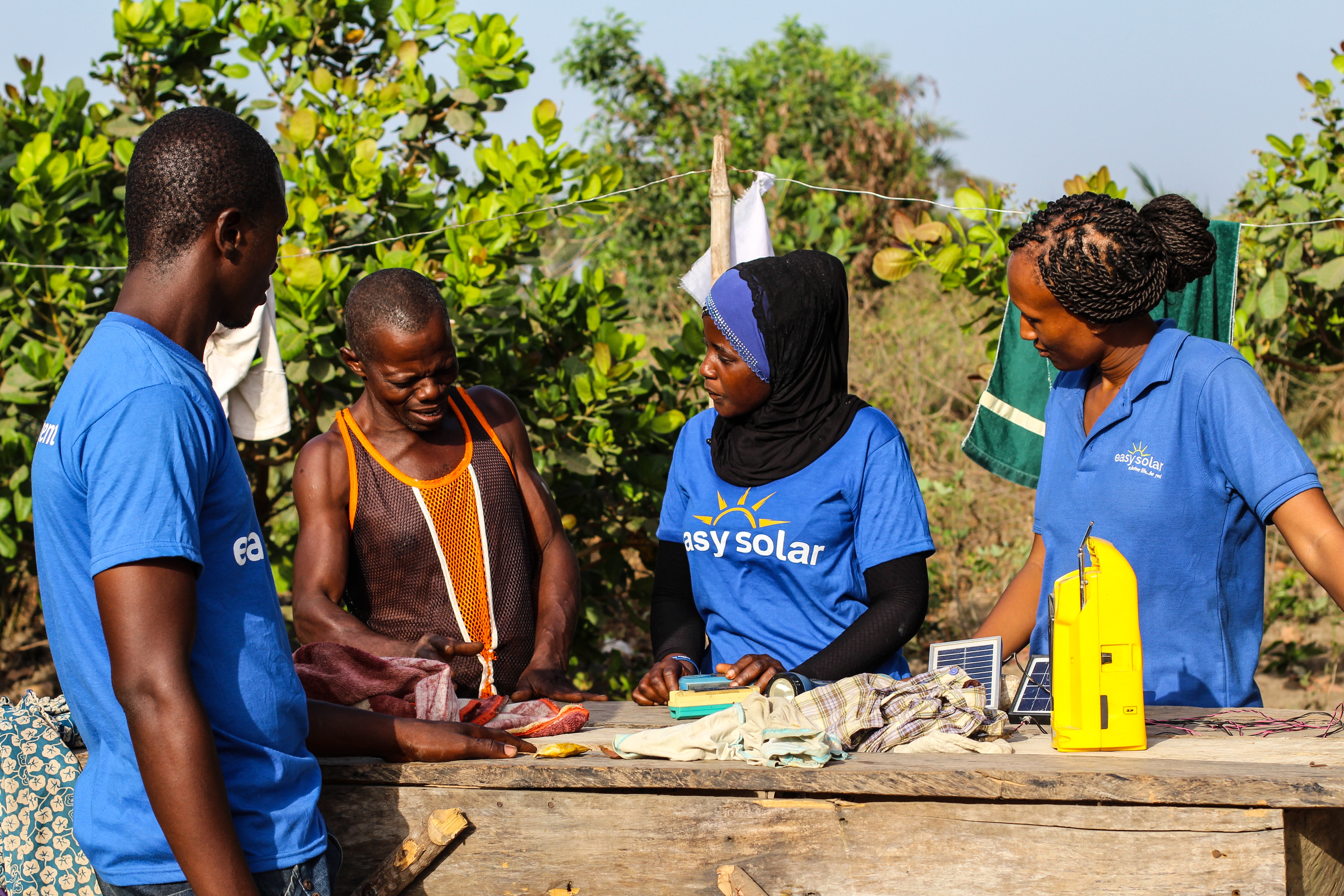
Easy Solar leveraged its business model and values alignment with ENABLE in order to expand their impact in more ways than one. In addition to providing solar solutions to amputee communities, Easy Solar trained amputee customers as sales agents and offered them jobs that improved their livelihoods.
Following their partnership with ENABLE, Easy Solar found passionate customers from amputee communities who were interested in selling their products. These customer-turned-sellers received training, support, and the opportunity to earn a living through Easy Solar’s commission-based approach business model. “We have sales supervisors that every week will interface with these committee agents,'' Robert explained. The supervisors train the agents on their sales pitch, communication with customers, bookkeeping, and business management techniques.
By hiring amputees directly from these communities, Easy Solar found yet another way of overcoming distribution challenges and simultaneously expanded their reach to remote customers.
If you were to partner with a nonprofit, what opportunities could you foresee to create greater impact? How might your business model, or existing way of doing business, help you accomplish this?
Impact by the numbers
In the first two years of its partnership with ENABLE, Easy Solar directly benefited an additional 730 people in these hardest-to-reach communities, who otherwise would not have had access to safe, reliable, and affordable electricity.
Robert recalled a conversation he had with a customer whose community was susceptible to creature hazards from snakes and scorpions after sundown.
“He told us, ‘These lights are giving us life,’” Robert said. “‘Now that we have lights and lanterns, we can enjoy the atmosphere and the breeze at night before we go home.’ This kind of impact makes us feel really fulfilled that we’re actually helping people out.”
In 2023, Financial Times ranked Easy Solar among the top 10 fastest-growing businesses in Africa. The company reached more than 7,000 customers in its first two years in business, and, to date, has provided 1 million people with energy access, created 800 clean energy jobs, and offset 124K tons of CO2 emissions.
Their impact is a direct reflection of their commitment to provide sustainable energy solutions across West Africa, and the belief that no customer is too remote or inaccessible to reach.
Their ability to scale successfully is a nod to their strategic mindset: their willingness to research and understand the organizations already operating within the system; their ability to keep clear goals and objectives for impact at the center of their decision-making; and, their vision to form strategic and mission-aligned partnerships.
Easy Solar’s Steps to Building a Strategic Partnership to Reach Remote and Inaccessible Customers
THE STEP | HOW THEY DID IT | THE OUTCOME |
|---|---|---|
Find a partner | Leverage publicly available information to capture data on organizations working across the same region and sector | Identified a nonprofit partner who was mission-aligned, serving target customers, and had existing infrastructure |
Evaluate partner | Defined two partnership criteria based on priorities: pathway for impact and sustainable funding | A partnership grounded on a clear pathway for impact and sustainable funding to be successful |
Ensure mutually-beneficial partnership | Research and partnership criteria led to the conclusion that people in need of housing will also need to light their homes | Successful integration across both products (housing and energy), reduced costs for both organizations, and expanded services and impact for their shared target customer |
→ Azimuth (trading as Easy Solar) is part of Acumen's investment portfolio, which focuses on helping social enterprises grow from seed to scale.
Key takeaways
Learn about the system in which you operate. Identify organizations that are already reaching your target customers.
How could partnering with them help you reach your audience without having to build your own network?
Define the right partnership criteria. Choose partners aligned with your mission and capabilities.
How could partnering help you leverage their existing infrastructure and distribution channels to maximize impact and address specific gaps in service provision?
Do your research. Conduct thorough inquiries to understand a potential partner’s strengths, goals, and operational and funding restrictions.
How could this knowledge help facilitate effective collaboration and resource allocation?