

How it all started
The Indian government allocates a significant portion of its budget to providing social security programs – such as health insurance, food subsidies, or guaranteed wages - for its citizens. However, these welfare programs are often unknown or inaccessible to the people who need them most. Entrepreneur Aniket Doegar sought to close this gap by founding the social enterprise Haqdarshak.
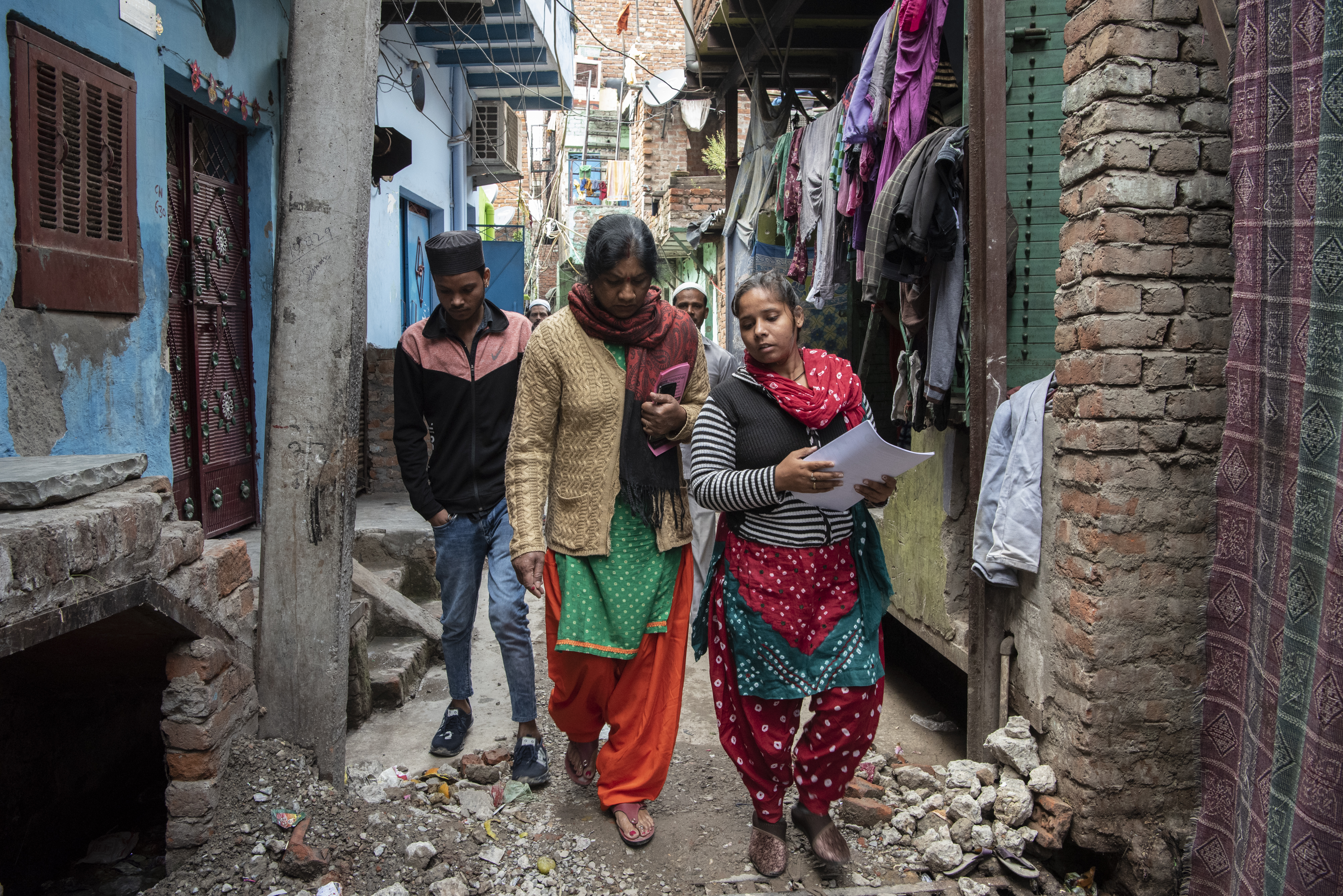
Haqdarshak helps informal workers access government and corporate welfare through a digital platform that links to social security benefits, along with application support from 42,000 agents, of whom 70% are women. These support agents meet with informal workers at their doorstep to inform them of their eligibility for welfare benefits and provide application services for a small fee.
By charging a small fee, Haqdarshak could generate their own revenue, become more agile, and find innovative ways to better serve their customers. But these advantages came with fundraising challenges. Initially, without the data to back up their model, Haqdarshak had to find compelling ways to tell their story and resonate with funders. They also had to figure out how to pitch their unique model to funders who were accustomed to working exclusively with nonprofit organizations and skeptical about funding a for profit social enterprise. By adopting strategic ways to tell their story, Haqdarshak was able to attract different types of capital throughout their fundraising journey and build partnerships to grow and scale their impact.
Craft a compelling vision for angel investors and grant providers at the idea stage
In 2015–16, when Haqdarshak was only an idea, Aniket and his co-founder, P R Ganapathy, had no proof of concept or concrete data points to solicit initial investment. Their priority was to find anyone who would fund them so they could build their platform and kick things off.
In the absence of data and evidence, Haqdarshak team focused on making their vision compelling.
They crafted this simple pitch and reached out to individuals within their larger network: “We’re working on a concept that will earn revenue and impact millions of people. Would you be interested in making a contribution?”
“At the time, the concept of a ‘social enterprise’ that could build a sustainable business but also make an impact was pretty fresh in India,” explained Madhura Karnik, Haqdarshak’s Chief Growth Officer, who led the company’s partnerships and marketing. “That really piqued the interest of angel investors. I think it gave us a ‘first mover’ advantage.”

The larger network they reached out to included friends, colleagues, and potential angel investors. In their first fundraising round, Haqdarshak raised close to one crore rupees ($100,000) from 11 angel investors.
In addition to angel funding, the team also aggressively sought out seed funding and grants from international pitch competitions - sources that usually fund companies at an idea stage.
“We were aggressively applying for grants, which helped us sustain a lot,” Aniket said. “In our space, there is a lot of opportunity for funding for companies at an idea stage from grants and international competitions.”
Adjust your pitch for corporate social responsibility (CSR) departments
After initial funding from angel investors and prize competitions, Haqdarshak aimed to scale with institutional funding. However, they ran into a recurring challenge - funders unfamiliar with for profit social enterprises had reservations about funding Haqdarshak’s profit-generating business model.
To overcome this, the team developed a three-step approach for pitching to philanthropic and corporate funders:
Reflect on any potential barriers or misconceptions that funders might have about your model.
How can you anticipate and address these concerns in your pitch?
Use stories and data to engage impact investors
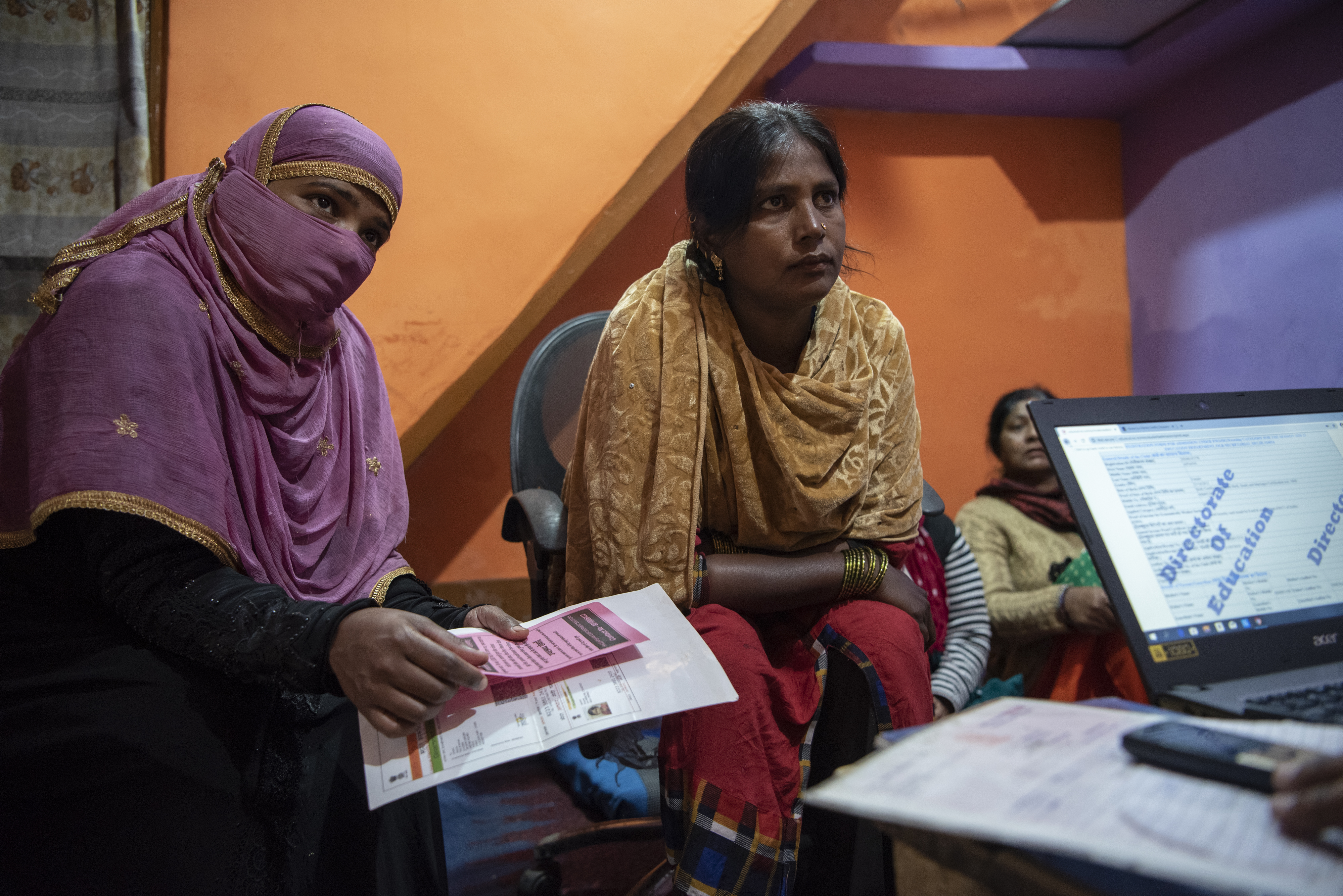
As Haqdarshak grew, the team realized they needed to illustrate their impact by sharing transformation stories about the people who benefitted from Haqdarshak’s services.
“One of the earliest versions of our pitch deck shared the story of a widow who didn’t know how to access her pension. She met a Haqdarshak woman [facilitation agent] in the community [and] got access to support, and now she’s started earning an income,” Aniket recalls.
To further bring their impact to life, they began inviting investors to site visits and sharing videos of beneficiaries telling their own stories.
Haqdarshak’s shift to this kind of evidence-driven narrative came from investors’ desires to understand the impact created through their funding.
These stories of impact helped potential funders understand how their money would be used to improve lives.
Reflect on the language and narrative you use when presenting your model.
How can you frame your story in a way that resonates with funders?
What data points could you add to demonstrate the measurable difference you are making?
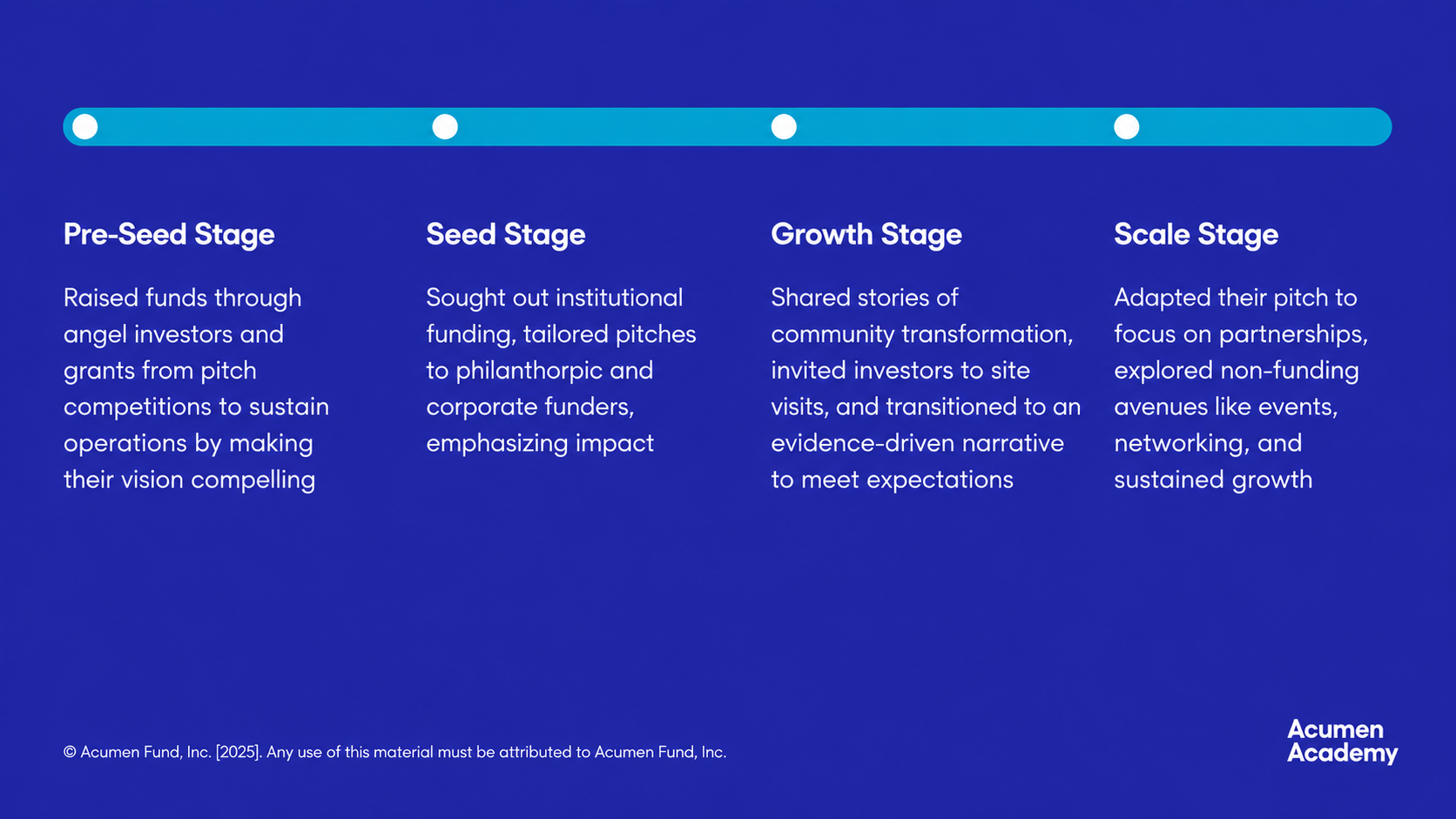
Stages of Haqdarshak's fundraising journey
Personalize your pitch and build strategic relationships beyond funding
Haqdarshak was once refused by a funder - the CEO of a semi-governmental department in Delhi offering similar services to Haqdarshak - who did not believe in Haqdarshak for profit model. A year and a half later, the team had an opportunity to pitch to this funder again. This time, they knew they needed to understand the funder’s motivations and tailor their pitch accordingly.
“We realized that his organization was carrying out similar services and he wouldn’t be willing to pay a private limited,” Madhura Karnik, Haqdarshak's Chief Growth Officer explained.
As a result, instead of asking for funding, Haqdarshak changed the narrative to: “Why don’t we collaborate?” The approach was successful and the experience taught the team that not every pitch will end up in funding, but there are other valuable opportunities to unlock.
“Not every pitch is going to get us money,” Madhura said. “But we also need partnerships, collaborations, and connections. Some people are not going to give you a penny, but they might get you into an event, give you a seat at a table, or connect you with five other people who could then connect you to a potential business source.”
What other opportunities (beyond funding) are you open to that you could include in your pitch to investors or potential partners?
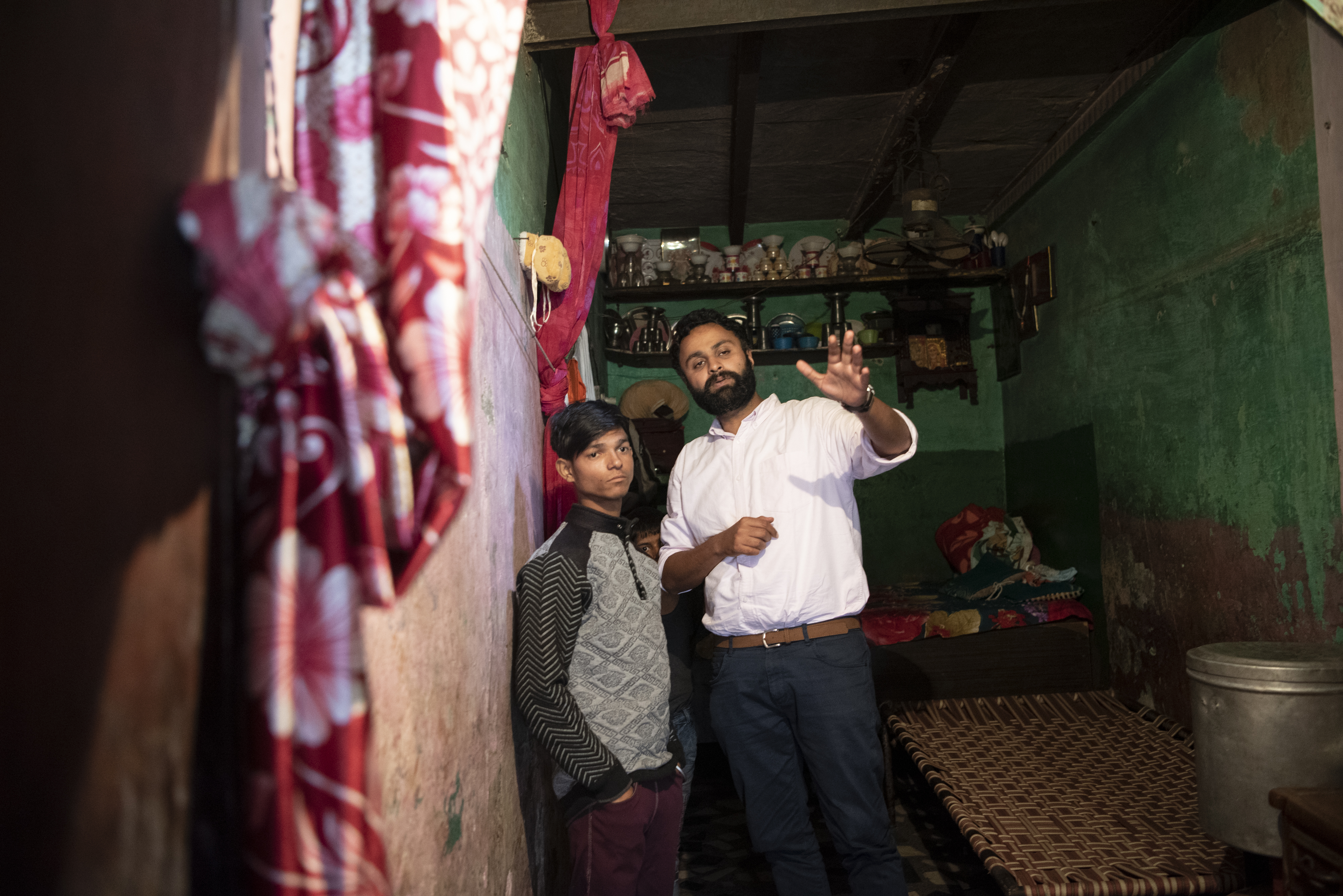
As of October 2024, Haqdarshak continues to grow, providing over 6.6 million citizens impacted in India and over 82,416 small businesses across 24 states with access to INR 19,000 Crore (USD 2.2 Billion) worth of social security benefits.
Haqdarshak is part of Acumen's investment portfolio, which focuses on helping social enterprises grow from seed to scale. Aniket Doegar is an Acumen Fellow.
Key takeaways
In the early stages, focus on making your vision compelling to bring angel funders on board.
When pitching to philanthropies and CSR departments, consider the need to educate them on for profit social enterprise models and seek partnerships with nonprofits to ensure alignment.
Include evidence-driven stories that demonstrate (showcase) impact in any funder pitch and regularly update these.
Adjust your pitch for your audience and consider them as potential partners and collaborators, not just funders.