How it started
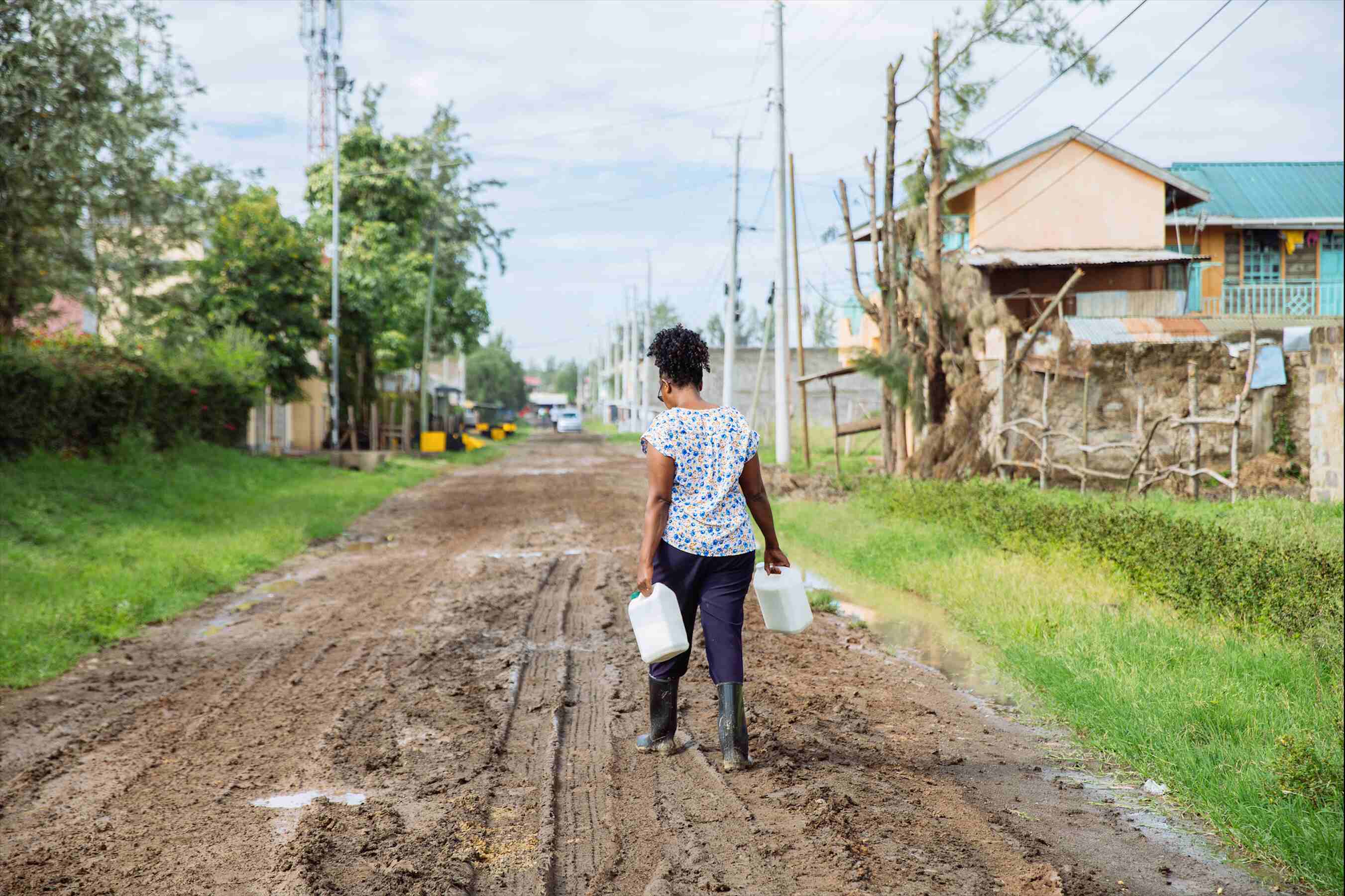
According to the World Bank1, in 2019, approximately 90 million people in Nigeria (nearly 45% of the population) did not have access to electricity. And those that did struggled to make a livelihood using the country’s inconsistent and unreliable power supply.
Ayoola Dominic and Deborah Gael founded Koolboks in 2018 to tackle the impact of this lack of reliable energy access on micro and small businesses that sell fresh foods and perishable goods.
Koolboks is a social enterprise offering innovative cooling solutions to communities in Nigeria with limited access to refrigeration. Their Koolhome product is an affordable, off-grid solar-powered refrigerator and freezer system. Its innovative “ice battery” technology allows it to store energy in the form of ice in addition to a standard lithium battery for up to 4 days with limited sunlight.
Koolboks faced a critical challenge introducing the Koolhome to low-income customers with limited financial means and specific spending patterns. The high cost of raw materials required to manufacture the Koolhome made it difficult for Koolboks to meet the financial limitations of the low-income customers they aimed to serve.
To solve this challenge the team had to define their target market, learn the financial constraints and payment challenges these customers face, and figure out the right pricing and business strategy to keep an affordable, quality product on the market.
1 IEA, IRENA, UNSD, World Bank, WHO, ESMAP. 2024. Tracking SDG 7: The Energy Progress Report. World Bank, Washington DC. © World Bank https://trackingsdg7.esmap.org/country/nigeria License: Creative Commons Attribution license (CC BY 3.0 IGO)
The problem
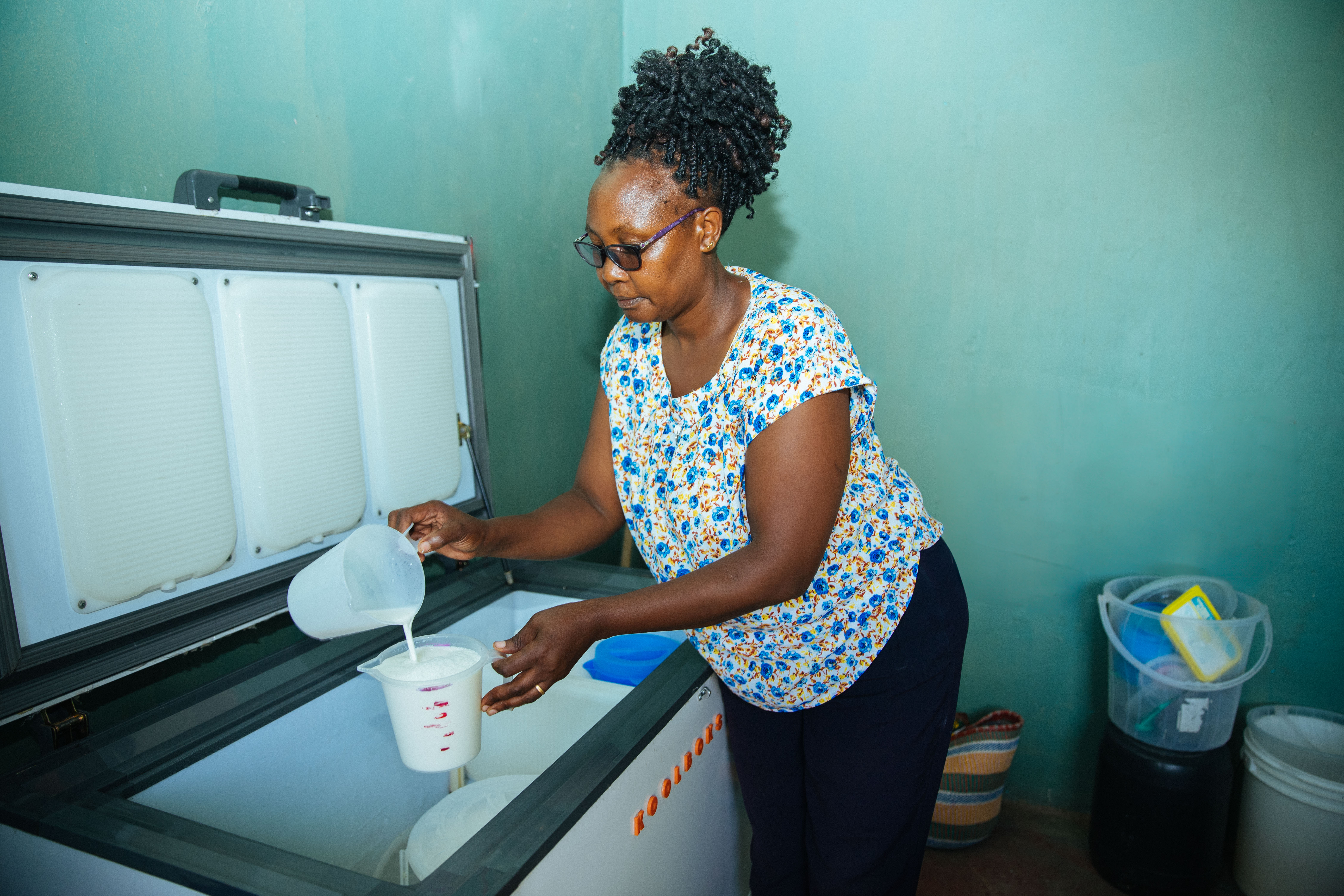
In 2019, 90 million Nigerians (nearly 45% of the population) lacked access to electricity, and unreliable power severely impacted small businesses relying on refrigeration for perishable goods.
Small businesses selling fresh foods and perishables struggled with unreliable power, impacting their ability to preserve goods and earn a stable income.
Koolboks, founded in 2018, set out to address this gap with off-grid cooling solutions.
What they learned
Koolboks discovered their solar-powered Koolhome product, an “ice battery,” was too expensive for households but ideal for small businesses needing reliable refrigeration.
Initial market research showed that households couldn’t justify the $1,000 price tag for a Koolhome unit. However, they found a significant demand from small businesses—like local grocers and market vendors—that rely on refrigeration to keep goods fresh and could afford the product with flexible payment options.
Koolboks developed a Pay-as-You-Go (PAYGo) model, reduced down payments, and provided multiple payment options, making it easier for small businesses to invest.
Why it matters
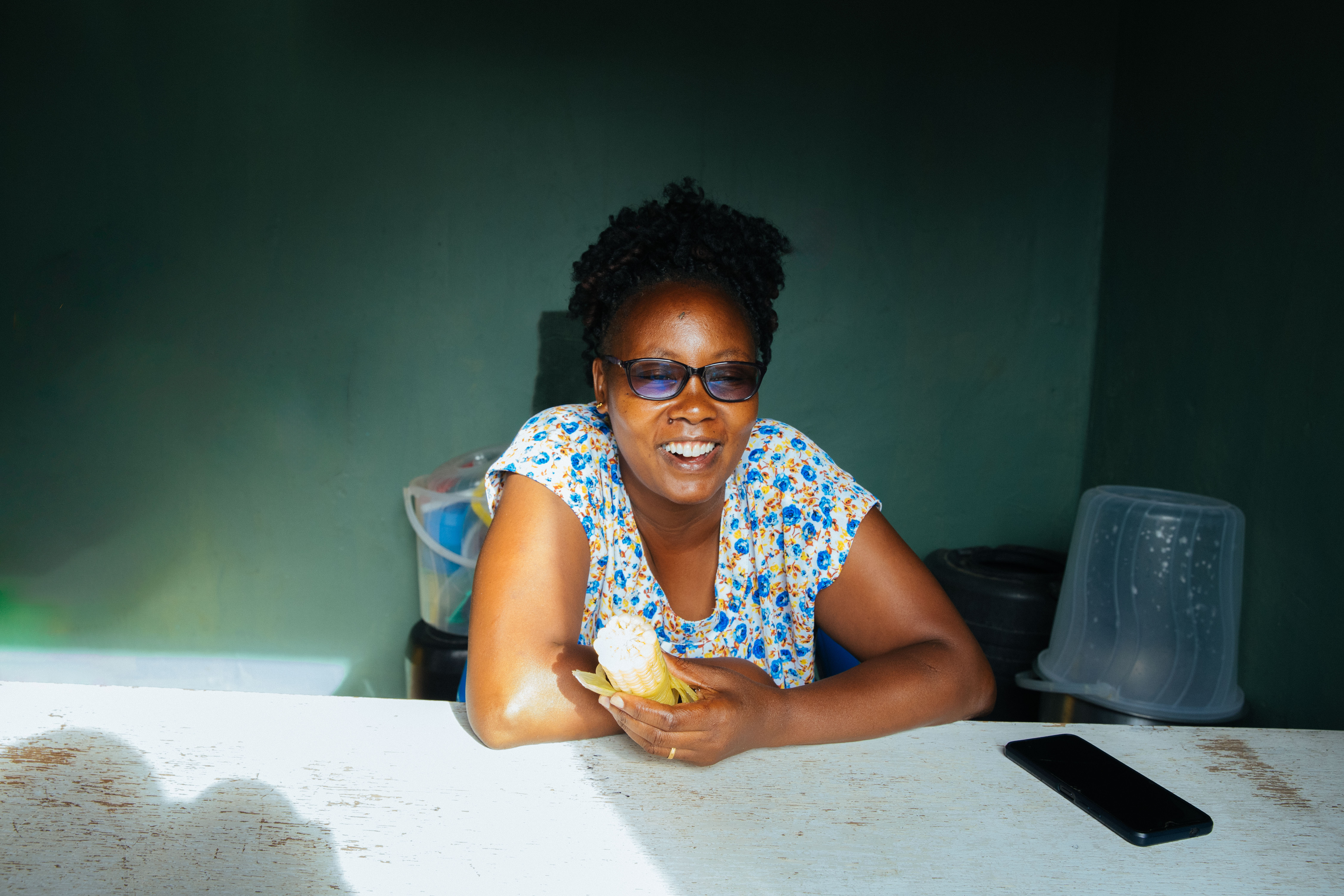
When small businesses gain access to affordable refrigeration, it improves their ability to store and sell fresh products, which directly supports their livelihoods in energy-scarce communities.
Koolboks’ innovative pricing model makes energy-efficient, solar-powered refrigeration accessible to underserved communities, reducing reliance on expensive diesel-powered generators.
The company’s approach not only impacts individual businesses but also enhances the overall quality of life, with 70% of customers reporting improvements.
Finding the right customers and understanding their payment constraints
Koolboks conducted research and carried out surveys to understand which type of customers could both benefit from, and pay for, their product.
Market research and surveys: The team collected data on customer demographics, income levels, and spending behaviors. Their research revealed that Koolhome was not a good fit for most households with limited disposable income. But they discovered there was significant demand for reliable and affordable cooling solutions among small businesses who could afford the product at a certain price.
“Everyone wants a freezer, but we realized there’s no justification for a domestic household to spend $1,000 on a freezer. There is a level of income you need to afford these units. These are the hard decisions we had to make,” explained Ayoola.
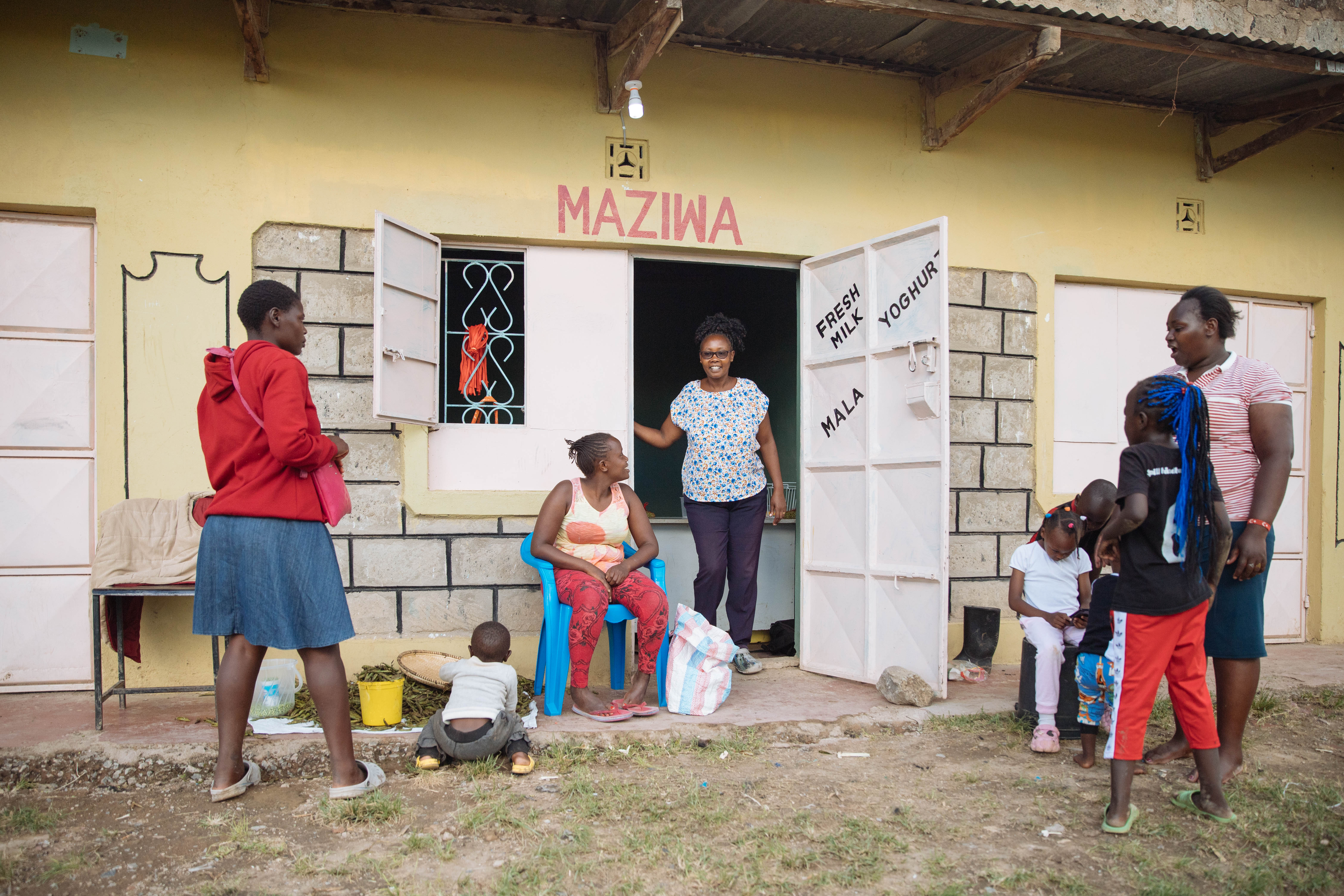
Focus on small businesses: They identified small businesses; restaurants, bars, local grocers, and market vendors in food storage and sales, as their primary customer segment who could afford and benefit from the Koolhome. These small businesses, often operating in areas with limited access to electricity and relying heavily on refrigeration to preserve their goods, needed reliable refrigeration to sustain their businesses and livelihoods.
Understanding payment constraints: Small business owners had few good options if they wished to invest in a cold storage solution. New refrigerators are prohibitively expensive, and more affordable second-hand appliances are inefficient and expensive to maintain.
“The only option they have is to buy freezers and generators and then fuel every month. But this isn’t practical for their income. Think about how little they’re probably earning on the drinks they’re selling, and then to spend so much on a diesel generator and fuel.”
Despite the overwhelming need for their product, Koolboks knew they were not able to serve every potential customer. Like Koolboks, what discoveries can you make about the socio-economic conditions of your target customer base? How might this affect their ability to pay for your product or service?
The pricing challenge
After successfully identifying an ideal customer segment and understanding their financial constraints, the team confronted another challenge: how to make and keep their Koolhome affordable for their target market.
According to Ayoola, about half of these small business owners earn less than $3.20 a day, and “this is probably the most expensive gadget they own.”
Generally, high-quality products come with higher production costs, especially for solar and energy storage products because the materials needed to build them are expensive. These high costs are typically passed on to customers through higher prices.
“Pricing has always been the hardest part of the business. Ice batteries, lithium batteries, solar panels, refrigerators...these things are not cheap. It’s been a lot of back and forth trying to understand the sweet spot between price and quality.”
If Koolboks set their price too high, they would alienate their target customers. But if they set it too low, they could risk the company's financial sustainability. They also didn’t want to compensate on quality, knowing small businesses needed high-quality products to keep their goods fresh and incomes stable.
Moreover, economic volatility in Nigeria further complicated this pricing challenge. Fluctuations in currency exchange rates, inflation, and changes in the cost of raw materials made it difficult for Koolboks to maintain a stable pricing and cost structure.
What challenges do you face when balancing sustainability, affordability, and quality? What external factors, such as a volatile economy, contribute to your challenge?
Designing an innovative pricing and payment model
To address these challenges, Koolboks designed a series of pricing and payment strategies to make, and keep, their products affordable for their customers, small businesses:
Pay-as-You-Go (PAYgo): enabled small businesses with irregular cash flow and limited access to credit to pay for Koolhome over time. Koolboks used a shut-off technology to manage non-payment risk, allowing customers to own the appliance after full payment.
Lowering down payments: reduced the required down payment between 20-35% of the total cost, with subsequent monthly payments ranging from $15 to $100 depending on the model. This made it easier for customers to make their initial purchase, lowering the entry barrier and encouraging more customers to invest in Koolbok’s products.
Multiple payment options: helped address the diverse financial circumstances of Koolboks’ customer’s, offering options such as mobile money, bank transfers, and cash payments to sales agents. This flexibility ensured that customers could choose the most convenient and accessible payment method, further easing and reducing barriers to purchase.
Customer support and education: helped customers understand the long-term savings and value of making a Koolboks investment. By providing customer education, information on the benefits of their products, energy efficiency tips, and guidance on financial planning, Koolboks fosters a deeper appreciation for, and adoption of, their products.
Consider Koolboks’ four pricing strategies. Are you able to implement one or more of these strategies sustainably to make your product or service more affordable for your customers?
A business strategy to reduce costs while maintaining product quality
“If we want to have a sustainable business, we have to sell at the amount that allows us to pay salaries and continue business,” explained Ayoola.
The team implemented three strategies to help them increase sales, reduce costs, and maintain their products’ price and quality even in the face of a volatile market.
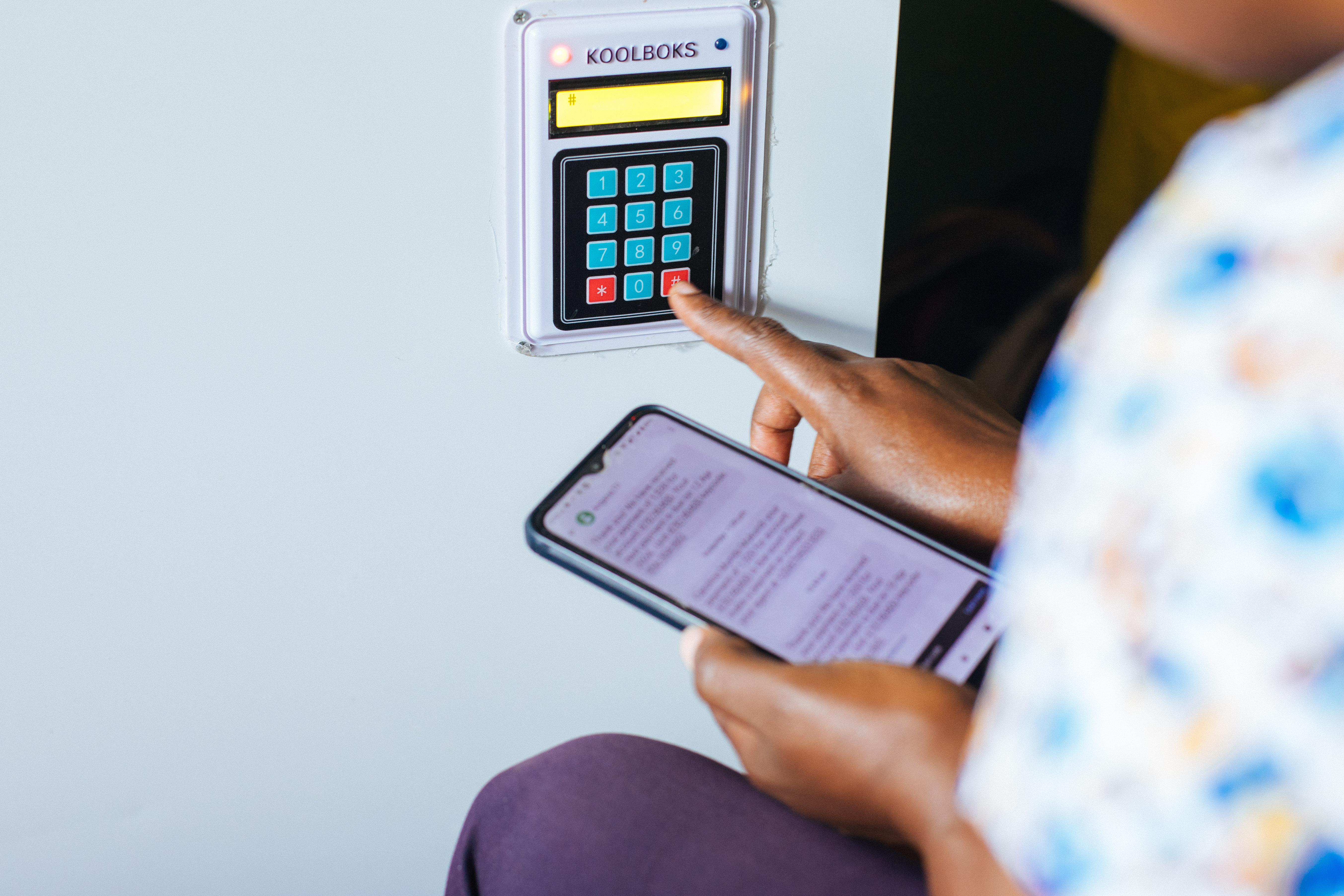
The ice battery
When sunlight is available, the Koolboks refrigerator is sun-powered and ice is made and stored. When sunlight is gone, energy shifts from the sun to “ice batteries” which maintain the refrigerator’s temperature for up to 4 days or until sunlight is available again.
Koolboks: Strategies to achieve affordability, sustainability, and product quality
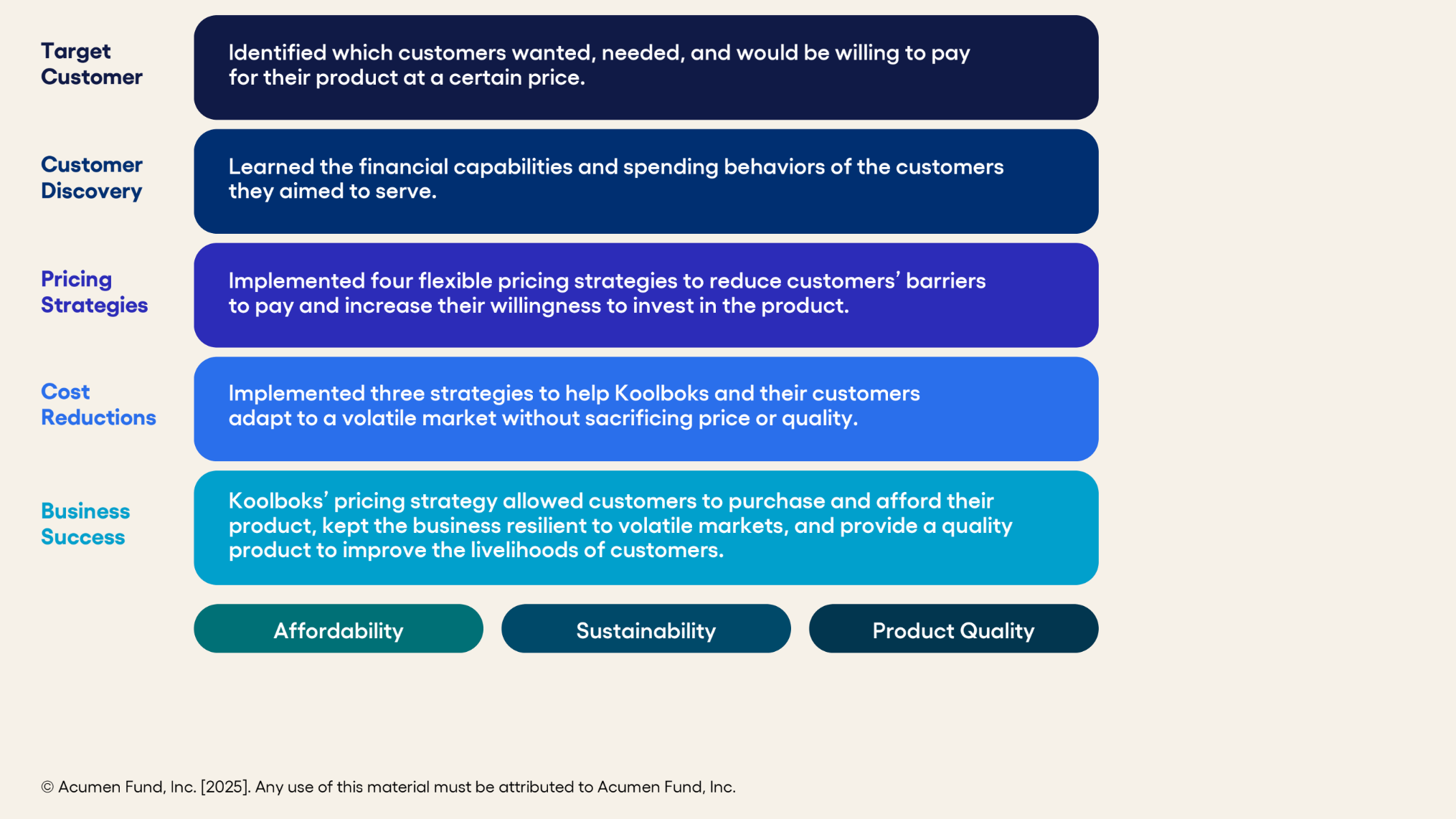
Koolboks is one of the first companies in West Africa to offer a solar-powered freezing appliance to consumers with financing. The lack of direct alternatives to Koolboks’ product establishes the company as a true pioneer. Their dedication to reducing purchasing barriers and keeping costs down for customers has led to widespread product adoption and many lives being impacted.
The company has sold over 6,000 solar fridges across 17 different countries worldwide, with 70% of customers reporting an improved quality of life.
Koolboks is part of Acumen's investment portfolio, which focuses on helping social enterprises grow from seed to scale.
Key takeaways
Conduct thorough market research: to understand your target audience's financial capabilities and spending behaviors, and design pricing strategies accordingly.
Explore alternative payment options: to reduce the financial burden on customers and make high-cost products more accessible and attractive to customers with limited resources.
Find the right balance between your affordability, sustainability, and quality: innovate to reduce costs without compromising quality, ensure product delivers significant value, and adjust pricing based on market feedback and cost changes.